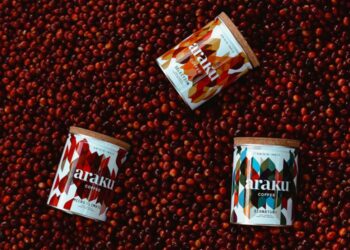
There was a time when coffee in India meant one of two things; instant form of caffeine intake or a generational filter brew that nobody really questioned. When Blue Tokai made an entrance, it didn’t just enter the market, it became a part of one’s personality, routine, and, almost overnight, the talk of the town.
When Coffee Got a Personality
Founded in 2013 by Matt Chitharanjan and Namrata Asthana, Blue Tokai fascinated the GenZ, coffee culture became indulgent and a thought struck; India grows great coffee, so why is nobody treating it like a craft?
They started small, roasting beans, selling online, and basically educating a generation that had never been told coffee could taste like anything beyond “strong” or “light.” This wasn’t just a brand launch; it was a soft cultural reset. Blue Tokai made it okay to ask, “What does my coffee actually taste like?”, and not sound pretentious doing it.
No Hype, Just Craft
Here’s the thing; Blue Tokai didn’t win by being flashy. It won by being precise.
Every bag of coffee comes with details: where it’s from, how it’s processed, what notes to expect. That level of transparency sounds basic, but in a market used to ambiguity, it hit different. It turned drinking coffee into something closer to experiencing it. Blue Tokai did what many brands failed to do. Instead of saying “this is premium, just trust us,” they said, “here’s everything, now decide.” That quiet confidence? Very Gen Z-coded.
Blue Tokai focused on different harvests, seasonal beans, and experimental processes; it’s less “fixed product,” more “ongoing drop culture.” Almost like coffee, but with the logic of limited-edition sneakers.
Specialty, But Make It Scalable
Blue Tokai operates like a system, not just a brand. They source directly, roast in-house, sell online, run cafés, and even tap into subscriptions.
Their cafés? Not just for caffeine. They’re experience zones. You walk in for a latte, you walk out knowing what a pour-over is. It’s subtle onboarding into specialty coffee culture. At the same time, they’ve expanded into quick commerce and retail shelves, because accessibility matters. There’s no point being “specialty” if nobody can actually get to you.
The Main Character Energy
If Blue Tokai had a main character, it would probably be coffee from Attikan Estate. It’s the kind of coffee that doesn’t try too hard, and that’s exactly why it works.
Taste-wise, it’s balanced in a way that feels intentional. You get a clean, mild acidity upfront, then comes a smooth wave of caramel-like sweetness, followed by cocoa notes that lean more dark chocolate than dessert.
There’s a hint of fruit in there too, something light, maybe citrusy, but it doesn’t steal the spotlight. It just adds dimension.
Understated, Not Underrated
Blue Tokai fits into a very specific cultural moment. Gen Z doesn’t want mass, they want meaning. But they also don’t want to feel like they’re being lectured.
This brand gets that balance right. It doesn’t oversell, doesn’t overexplain, and definitely doesn’t try to be “cool.” In a world of overdesigned experiences and algorithm-driven trends, Blue Tokai feels almost analog. Real farms, real beans, real process. And somehow, that honesty has become its biggest flex.