
Over the past few decades, India has witnessed a steady rise in doctors, consultants, and surgeons entering the field of aesthetic and reconstructive surgery, driven by a genuine interest in medicine and the broader healthcare landscape.
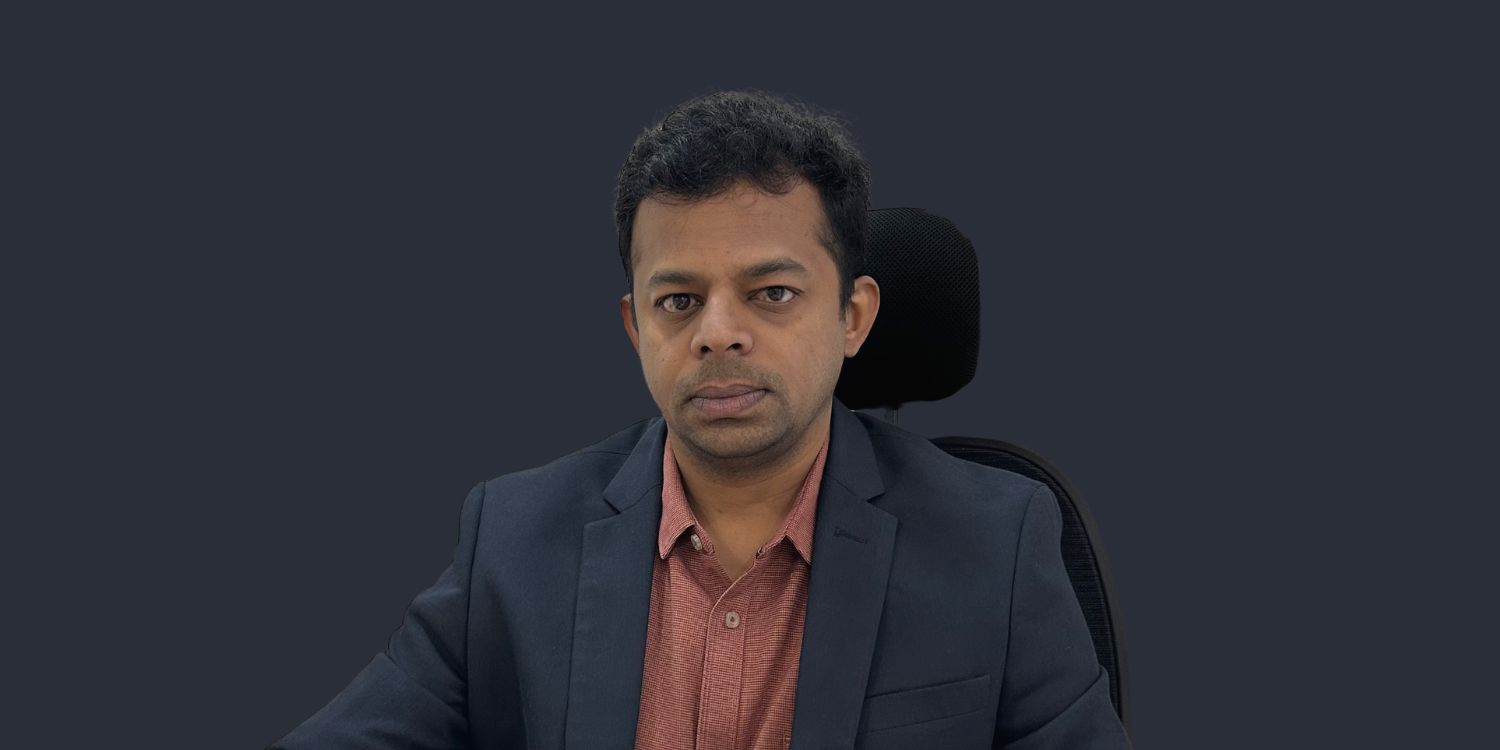
Building on this evolution, Dr. Ramani C.V. stands among practitioners who exemplify the integration of extensive clinical experience with an ongoing adaptation to technological advancements. He has established a strong foundation in his field and continues to contribute meaningfully to its advancement.
Contours of Reconstruction
In 1998, Dr. Ramani C.V’s inclination towards biology encouraged a decision to pursue medicine. His decision gained the support of his family, friends, and teachers. During the course of his training, surgical specialization piqued his interest. Gastrointestinal surgery became his area of interest due to the complexity of the intestinal anatomy. This journey slowly introduced him to reconstructive surgery, and over time, he was ready to dedicate himself to plastic surgery. This field of medicine as he understood it is discipline demanding. sustained commitment, attention to patient expectations, and the ability to deliver outcomes across trauma, cancer reconstruction, and aesthetic procedures and exactly this intrigued him.
Currently, Dr. Ramani works as a plastic, reconstructive consultant and microvascular surgeon at Manipal Hospital and specialises in microsurgery and oncoreconstruction, lymphedema management, hand surgery, extremity trauma and reconstruction, diabetic foot care, faciomaxillary surgery, burns (acute and chronic), breast reconstruction, and aesthetic surgery.
Balancing Form and Function
While dealing with reconstructive cases, Dr. Ramani observed that patient demographics such as age, occupation, and family background are assessed alongside expectations from the procedure. After clinical evaluation and investigations, patients are counselled regarding available treatment options, balancing functional restoration with aesthetic outcomes. A similar procedure applies to cancer reconstruction, extremity and facial injuries, and aesthetic reconstruction.
Techniques in Transition
As his interest in the field deepened, Dr. Ramani explored and analysed the different areas within reconstructive surgery.He noted that since the beginning of his medical career, microsurgical techniques have gained significant momentum and evolved considerably. Especially in reconstructive procedures following cancer surgeries of the head, neck, breast, and extremities, as well as in limb salvage after high-velocity trauma. These procedures involve harvesting tissue (bone, muscle, or skin) from distant sites and transferring it with vascular anastomosis to maintain viability. Smaller incisions lead to reduced tissue damage, less postoperative pain, shorter hospital stays, and better cosmetic results, particularly in facial rejuvenation.
While techniques like minimally invasive approaches have improved outcomes by reducing recovery time, minimising scarring, and increasing procedural precision, body contouring techniques such as laser-assisted, power-assisted, and ultrasound-assisted lipolysis are increasingly utilised. Laser technology allows precise tissue handling, better preservation of surrounding structures, and reduced intraoperative bleeding due to vessel coagulation. It is commonly used in the treatment of sun damage, acne scars, and post-surgical scars.
The 3D Advantage
One of the technological advancements that Dr. Ramani identifies as significantly benefiting patients is the integration of patient-specific 3D imaging and customised implants has improved treatment planning. 3D models help patients understand their condition, visualise expected outcomes, and reduce preoperative anxiety, particularly in cancer and trauma reconstruction.
For surgeons, these technologies enhance precision through patient-specific cutting guides and templates, reduce operating time via preoperative planning and pre-bent plates, and improve both functional and cosmetic outcomes. He strongly believes and supports artificial intelligence to further strengthen surgical planning capabilities.
Beyond the Myth
When we asked Dr. Ramini to bust one myth about plastic surgery, he remarked, “ A common misconception is that plastic surgery involves the use of artificial or foreign materials in all cases. In reality, implant use is selective.
In cosmetic procedures, breast augmentation using silicone implants is widely practiced. Concerns regarding cancer risk exist, but extensive research indicates minimal risk of increased cancer incidence or interference with detection.”
Informed Aesthetics
Sometimes, trends influence people to take up drastic permanent measures that alter an entire feature,in procedures such as rhinoplasty, patient concerns are evaluated through detailed history, examination, and investigations. Dr. Ramani advocates counselling patients on anatomical limitations and realistic outcomes. Multiple consultations are often required to address apprehensions. 3D simulations and imaging are used to demonstrate expected pre- and postoperative appearances, especially in bone reconstruction cases. Limitations are clearly communicated, and informed consent is obtained.