
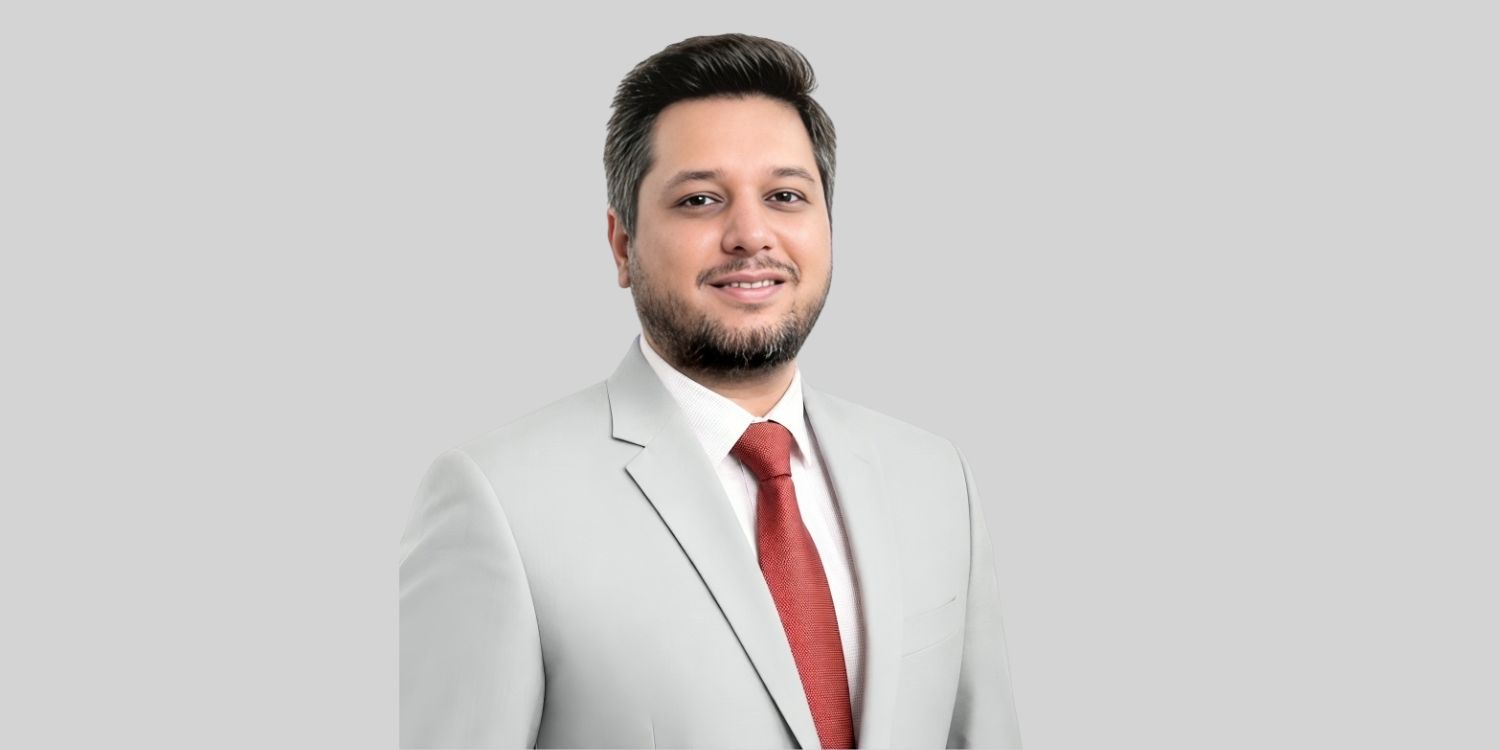
In many cases, the process of healing unfolds gradually, often requiring months of recovery and sustained intervention. Orthopaedics, however, stands apart in its ability to deliver outcomes that patients can experience almost immediately, and practitioners who make this possible are viewed as nothing less than a miracle.
Dr. Chirag Kapoor’s practice is grounded in this principle. With a focus on precision and consistency, his work reflects a methodical approach to restoring function and mobility, positioning him among the recognised practitioners in this field.
A Defined Turn Towards Orthopaedics
Dr. Chirag Kapoor decided to pursue orthopaedics when he realized this field of medicine had a direct impact on restoring mobility and reducing pain. During his academic training, exposure to joint replacement procedures and trauma care further firmed his decision. He finished his postgraduate training in orthopaedics and gradually moved towards specialised and technologically advanced interventions.
The Move Towards Advanced Reconstruction
Over time, Dr. Kapoor’s clinical work expanded from managing general musculoskeletal conditions to focusing on advanced joint replacement and complex trauma reconstruction. A key area of his work has been robotic-assisted joint replacement surgery. As surgical systems became more refined, the shift towards incorporating robotics allowed for greater accuracy in execution. His practice followed combining conventional surgical principles with newer tools that enhance precision and consistency.
Balancing Intervention and Restraint
One aspect that Dr. Kapoor focuses on is his individualised treatment planning. Clinical decisions are based not only on imaging findings but also on a patient’s functional needs, expectations, and long-term outcomes. Based on his clinical judgement, he advocates that surgical intervention should not be considered the default option, he inclines towards keeping conservative management as the preferred pathway when it can achieve comparable outcomes. Surgery is recommended in cases where it provides a clear advantage in restoring function, alleviating pain, or preventing long-term disability. He keenly places his interest on patient involvement where treatment decisions are discussed in detail, allowing patients to understand both the benefits and limitations of each option.
The Role of Robotics in Joint Replacement
Balancing between technology and clinical judgement, Dr. Kapoor brings in the integration of robotic systems into joint replacement surgery due to its significant development within orthopaedics. He predominantly uses robotic-assisted procedures to improve consistency rather than replace surgical expertise. Patients undergoing such procedures may also experience a more natural joint feel and smoother recovery, although outcomes remain dependent on multiple factors, including surgical execution and post-operative care.
Extending Care Beyond Intervention
Dr. Kapoor remarks, “Care in orthopaedics does not end with the surgery. The success of joint replacement procedures extends beyond the operating theatre. Pre-operative planning, appropriate patient selection, and surgical accuracy are fundamental, but post-operative factors are equally relevant. Rehabilitation plays a central role in restoring mobility and function, and patient compliance with physiotherapy protocols directly affects outcomes.” He highlights the fact that lifestyle factors, including weight management and physical activity, influence the long-term performance of implants. In addition, managing coexisting medical conditions contributes to both recovery and durability of the joint.
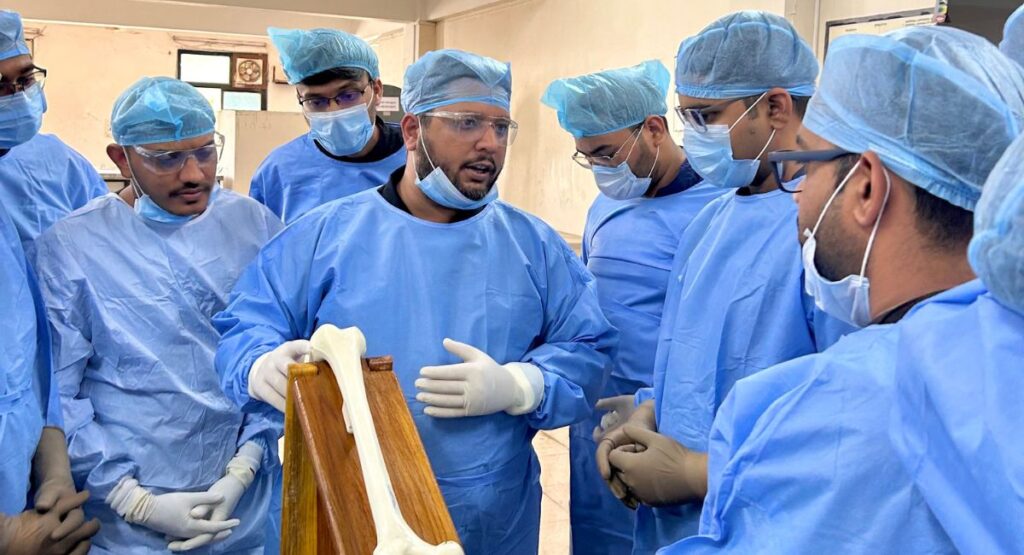
In the course of Dr. Kapoor’s practice, particularly in trauma management, he has noted that timely and coordinated intervention is critical. Technology progressions such as imaging, fixation techniques, and implant design have improved surgical outcomes, but one of the more notable changes has been the adoption of multidisciplinary care models where work is channelized to critical care teams, anaesthesiologists, and rehabilitation specialists to manage complex cases.
A Preventive Approach to Modern Injuries
Orthopaedic departments handle a far higher volume of cases than is commonly assumed. With increasing participation in fitness and recreational sports, Dr. Kapoor highlighted the fact that there has been a noticeable rise in ligament injuries, tendon disorders, and stress-related conditions. A significant proportion of these cases occur in individuals who are not professional athletes but engage in physical activity without adequate preparation or supervision. To tackle this, he advises preventive strategies in orthopaedic care. Gradual progression in activity levels, proper conditioning, attention to technique, and sufficient recovery periods can reduce the incidence of injury. Early assessment of symptoms also helps prevent minor issues from progressing into more serious conditions.
The Next Phase of Orthopaedic Care
Dr. Kapoor strongly believes that the future of orthopaedics is likely to be defined by further integration of technology and advances in biologic treatments. Robotics and artificial intelligence are expected to refine surgical planning and execution, while developments in regenerative medicine may alter the management of degenerative joint conditions.
Research in cartilage restoration, tissue engineering, and biologic therapies suggests a shift towards preserving native joint structures for longer durations. At the same time, digital monitoring and data-driven approaches may enable more personalised treatment strategies. Dr. Kapoor remarks that in this evolving landscape, the role of the orthopaedic surgeon continues to balance established surgical principles with emerging innovations, maintaining a focus on functional outcomes and long-term patient benefit.