
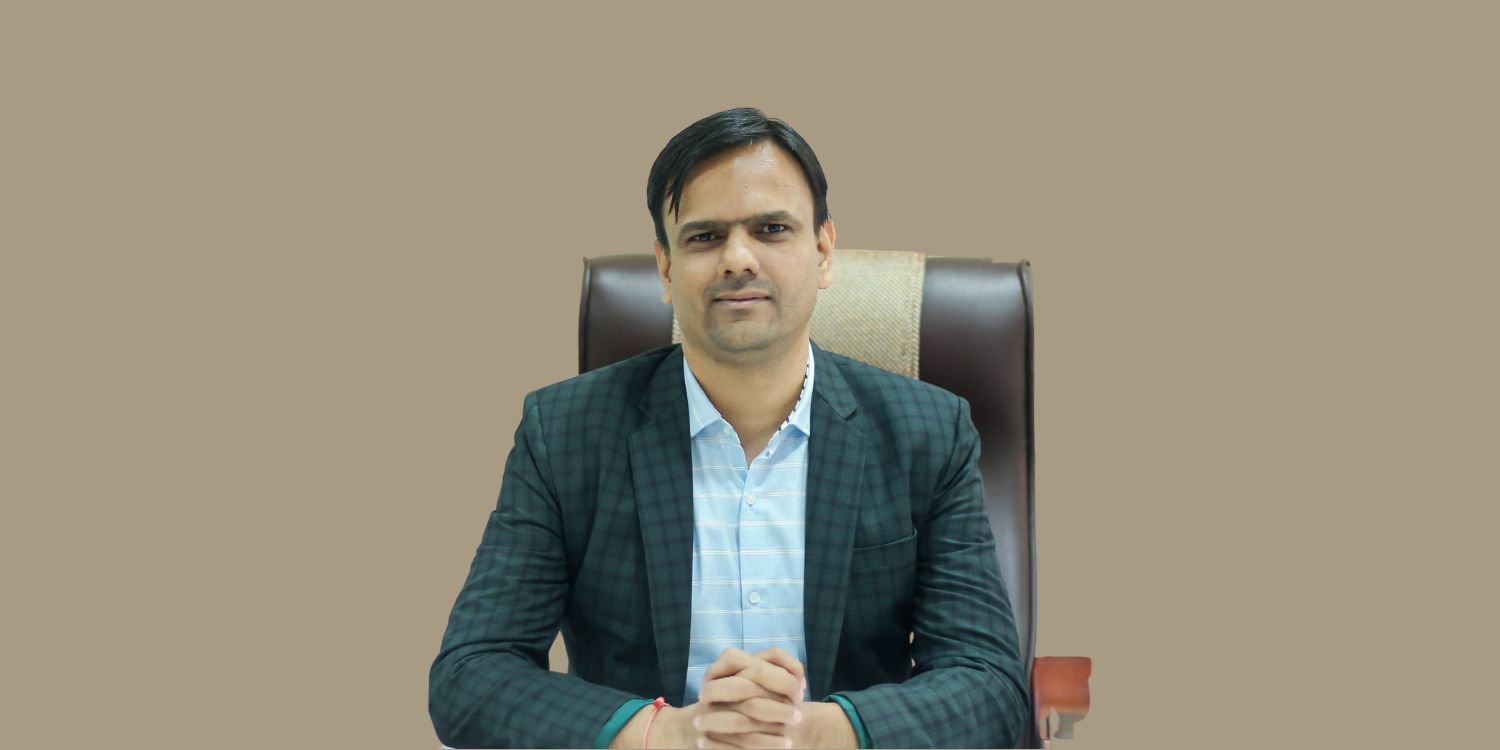
Every doctor in oncology witnesses two aspects of life: one where patients bravely fight cancer, and another where the responsibility falls upon the doctor to provide that opportunity through access to benchmark treatment, irrespective of a patient’s background.
Dr. Nilesh Dhamne’s professional journey has been guided by this principle, with a sustained commitment towards making equitable and quality cancer care one of the defining milestones of his career.
The Foundation of a Medical Philosophy
After completing his medical education at Grant Medical College in Mumbai, Dr. Dhamne pursued advanced oncology training at Medanta Hospital in Gurgaon. The transition exposed him to contrasting realities within the Indian healthcare system. In Mumbai, he witnessed the challenges and resilience associated with public healthcare, where patients from diverse socioeconomic backgrounds often navigated serious illnesses with limited resources. At Medanta Hospital, he trained within an ecosystem driven by multidisciplinary care, precision medicine, advanced oncology practices, and clinical research.
This experience left a lasting impression on him. He began to see cancer treatment as much more than the clinical management of disease; it was a field that demanded compassion, commitment, and a drive to create meaningful change. Consequently, oncology emerged as a natural choice for Dr. Dhamne.
Expanding Access Beyond Metropolitan Centers
Following training at some of India’s leading institutions, Dr. Dhamne had opportunities to continue his career in major metropolitan centers. Instead, he chose to return to Kolhapur and contribute to the expansion of oncology services through community based cancer services.
His decision was inspired by his patients from Western Maharashtra, neighbouring districts of Karnataka, and parts of Goa. They frequently travelled long distances to access specialized cancer treatment. Beyond the medical challenges of the disease itself, repeated travel often imposed significant financial and emotional burdens on patients and their families.
Recognizing these realities, Dr. Dhamne focused on strengthening access to quality oncology care closer to patients’ homes. His objective has been to ensure that treatment standards are not determined by geography and that patients in non-metro regions receive the same evidence-based and ethically guided care available in larger cities.
The Science of Individualized Care
As oncology continues to move toward precision-based medicine, treatment planning increasingly requires consideration of multiple clinical and non-clinical factors. Dr. Dhamne’s European oncology certification further strengthened his structured and evidence-driven approach to personalized care.
His treatment decisions extend beyond disease diagnosis alone. Factors such as tumour biology, genetic markers, patient fitness, financial considerations, family support systems, and expected quality of life all contribute to the development of individualized treatment plans.
Integrating Clinical Practice and Research
Alongside his clinical responsibilities, Dr. Dhamne has remained actively involved in oncology research and clinical trials spanning Phase I to Phase IV studies. He views clinical research as an extension of patient care rather than a separate professional pursuit. Clinical trials play an important role in providing access to emerging therapies while contributing to the development of future standards of care. He emphasizes on coordinated teamwork involving research coordinators, nurses, pharmacists, junior doctors, and support staff.
An area of particular interest for Dr. Dhamne is public education surrounding clinical trials. Despite increasing awareness, misconceptions regarding patient safety and ethical oversight continue to exist. Through awareness initiatives and digital platforms, he works to improve understanding of how clinical research is conducted and how regulatory and ethical safeguards are incorporated into every stage of the process.
Coordinating Care Across Specialties
Cancer care today relies heavily on collaboration across multiple specialties. Throughout his career, Dr. Dhamne has seen how multidisciplinary decision-making can influence both treatment outcomes and patient experience. As Dr. Dhamne always stated, “good cancer care is always a team effort.” This experience just reinforced it.
One such case involved a patient with advanced cancer complicated by significant medical and financial challenges. Addressing the situation required coordinated input from surgeons, radiation oncologists, pathologists, palliative care specialists, nurses, nutritionists, and counsellors. The team also explored government healthcare schemes and support mechanisms to reduce the financial burden associated with treatment.
Accessibility, Awareness, and Advocacy
At Mumbai Oncocare Centre, Dr. Dhamne’s responsibilities extend beyond direct patient care. His role includes supporting systems that improve accessibility, affordability, and patient education. The centre actively guides patients regarding government healthcare schemes, affordable treatment pathways, biosimilar therapies, and clinical trial opportunities where appropriate.
Dr. Dhamne also participates in public awareness initiatives focused on early detection, cancer myths, treatment advancements, and the importance of timely medical consultation. These efforts reflect a growing recognition that successful cancer management begins well before treatment and often depends on awareness and early intervention.
Advancing Oncology in India
Indian oncology is currently experiencing significant advances in precision medicine, immunotherapy, molecular diagnostics, artificial intelligence-assisted treatment planning, and biosimilar development. Dr. Dhamne believes these innovations will continue to reshape cancer care in the coming years while improving accessibility for a broader patient population.
At the same time, he maintains that one of the defining strengths of Indian oncology will remain its ability to combine scientific progress with compassionate and cost-conscious care. As cancer treatment becomes increasingly sophisticated, the challenge will be ensuring that innovation translates into meaningful benefits for patients across both metropolitan and regional healthcare settings.