
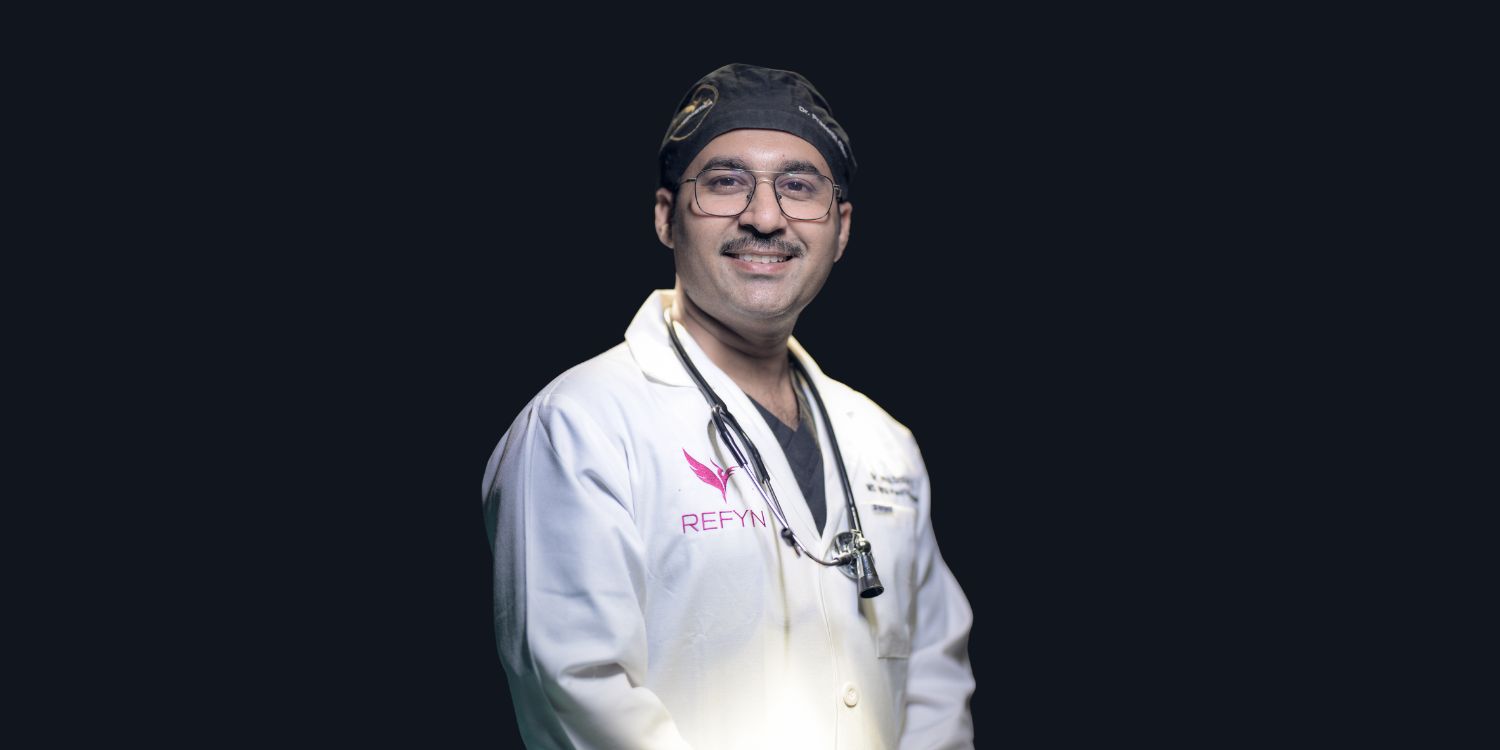
The balance between aesthetics and functionality remains central to plastic surgery. In India, where beauty standards vary across regions and cultures, identifying an appropriate clinical intervention requires sensitivity to individual features while preserving natural identity.
Surgeons such as Dr. Prasenjit Chattopadhyay, who work across reconstructive and aesthetic domains, develop this approach through sustained clinical training and experience, working towards outcomes that are both functionally sound and proportionate in appearance.
Between Function and Form
Dr. Prasenjit Chattopadhyay’s journey into plastic surgery began through conventional but rigorous academic paths. He was fascinated with the wonders of reconstruction. Determined to follow this line of medicine, he finished his training in General Surgery, followed by an MCh in Plastic Surgery focused on restoration.
His work involved dealing with trauma, post-burn deformities, congenital anomalies, and oncological reconstruction provided a foundation rooted in anatomical precision and long-term functional outcomes.
From Reconstruction to Aesthetic Practice
Dr. Chattopadhyay gradually expanded his practice towards aesthetic surgery, with a consistent emphasis on improving quality of life.
His fellowship in Cosmetic Surgery in Valencia, Spain, introduced him to advanced techniques in body contouring, breast surgery, and facial aesthetic procedures. This phase of training added procedural refinement and expanded his familiarity with emerging technologies and minimally invasive methods.
Currently he works as Director – Founder & Chief Plastic Surgeon At REFYN Clinic in Kolkata, where his practice is largely focused on aesthetic procedures. However, he continues to engage in reconstructive and trauma-related cases, particularly in suburban and underserved regions.
Consultation, Criteria, and Care
Dr. Chattopadhyay maintains his paramount interest to stay on par with the patient’s expectations. His craftsmanship begins through the consultation process, followed with a detailed assessment of patient motivations, and finally, a structured explanation of achievable outcomes and limitations.
He notes the increasing influence of social media in shaping unrealistic expectations. In response, he places his emphasis on clinical examination, supporting evidence, photographic references, and, where relevant, digital planning tools. Decisions are made through a shared process, but with clear professional boundaries. When expectations fall outside medically appropriate outcomes, he does not proceed with intervention.
The definition of success, according to Dr. Chattopadhyay, is not based on subjective satisfaction alone but on the alignment of safety, function, aesthetic balance, and patient understanding.
However, the choice between surgical and non-surgical interventions is determined by clinical suitability rather than patient preference alone. Minimally invasive procedures such as dermal fillers, botulinum toxin, thread lifting, and energy-based skin treatments have broadened the scope of aesthetic medicine, particularly for early-stage ageing and minor corrections.
However, Dr. Chattopadhyay underscores their limitations. Cases involving significant skin laxity, excess adipose tissue, or structural changes often require surgical correction for durable results. Treatment planning therefore considers age, skin quality, anatomical changes, recovery tolerance, and long-term expectations. In selected cases, combined approaches are used to achieve gradual and proportionate outcomes.
Treatment Planning Across Techniques
In facial contouring, Dr. Chattopadhyay ensures that the selection of dermal fillers is based on anatomical requirements and material properties. Factors such as tissue support, projection, flexibility, and longevity guide product choice across different facial regions. Structural areas such as the jawline and chin require higher support fillers, while areas like the lips and tear trough demand softer formulations.
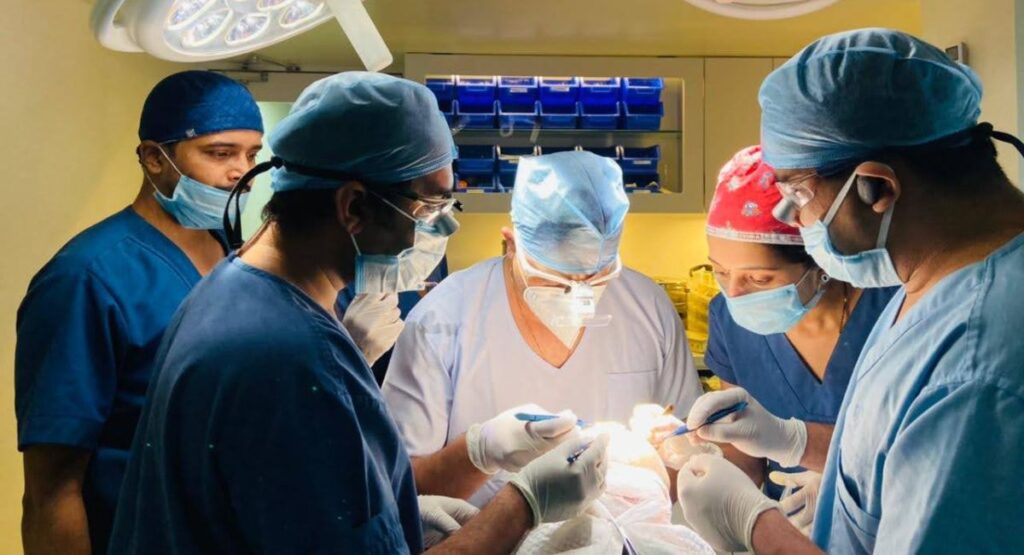
Similarly, in laser-based treatments, ablative systems, including fractional CO₂ lasers, are used for deeper resurfacing and scar management but involve longer recovery periods whilst non-ablative systems are suited for superficial concerns with reduced downtime. The decision is individualised based on skin type, indication, and tolerance for recovery.
In body contouring, patient selection remains the primary determinant of outcome. Assessment includes skin elasticity, fat distribution, muscle tone, body mass index, and weight stability. Liposuction is positioned strictly as a contouring tool rather than a weight reduction method, with adjunct procedures such as skin tightening or abdominoplasty considered where indicated.
The Role of Technology in Plastic Surgery
Advances in technology have influenced both safety and precision in plastic surgery. Energy-based devices, improved imaging systems, and refined anaesthesia protocols have expanded treatment options and reduced recovery time. Despite these developments, Dr. Chattopadhyay maintains that outcomes remain dependent on surgical judgement, anatomical understanding, and procedural discipline.
While robotic applications are being explored in selected reconstructive procedures, their role in mainstream plastic surgery remains limited. Technology, in this context, functions as an adjunct rather than a substitute for clinical expertise.
Ethics at the Core of Practice
For practitioners entering the field, Dr. Chattopadhyay emphasises the importance of a strong surgical foundation. Training in anatomy, wound healing, and reconstructive techniques is considered essential before undertaking aesthetic procedures. He advocates for structured education through recognised institutions and fellowships, as opposed to fragmented learning through short-term courses.
Ethical considerations are positioned as integral to practice. Procedures should be recommended based on clinical need and patient benefit, with safety taking precedence over commercial factors. Long-term credibility in aesthetic medicine, in his view, is sustained through consistency in judgement, technical competence, and adherence to professional standards.