At the heart of medicine lies a simple truth: healing is not only about fixing what is broken, but about restoring confidence, dignity, and control. In a world increasingly defined by procedures and protocols, the most powerful voices are those that remind us why care must always remain human.
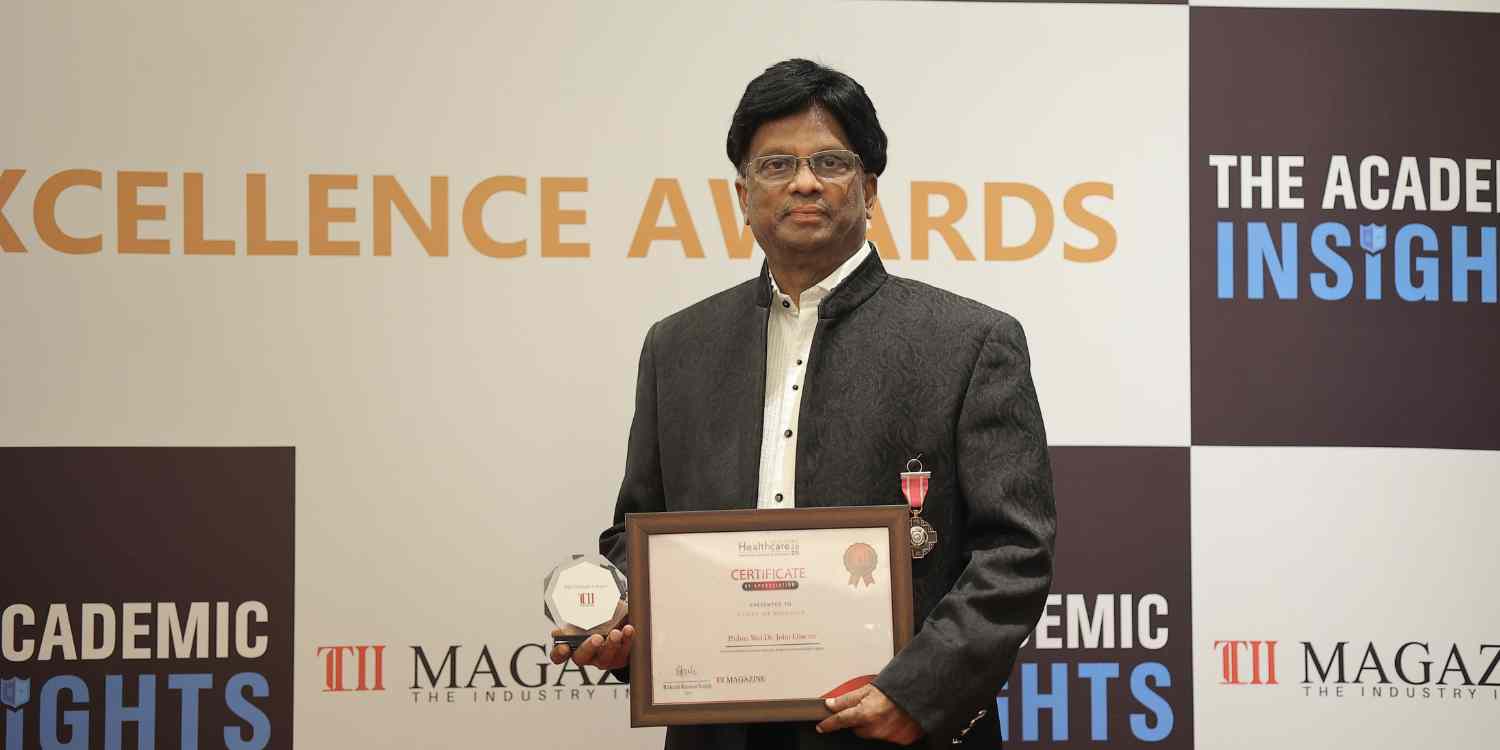
An individual whose ambition is fueled by focus, clarity and redefining medicine for the generations to come is cherished for the knowledge and philosophy they share, and it takes immense privilege to feature Dr. John Ebnezar for his unwavering determination towards bringing a revolution in his field both nationally and internationally.
A Journey Defined by Purpose
Dr. Ebnezar describes his professional journey as long, exciting, and deeply contributory. His academic and clinical work has focused extensively on non-operative treatment in orthopedics, addressing conditions that dominate modern lifestyles, low back pain, knee arthritis, frozen shoulder, fractures, osteoporosis, sarcopenia, and a wide range of geriatric musculoskeletal disorders.
Holistic orthopedics, as he defines it, addresses physical, mental, emotional, social, and spiritual well-being. It prioritizes prevention, cost-effectiveness, and patient empowerment.
What distinguishes his work is its integrative foundation. By combining modern medicine with traditional Indian systems of medicine, he developed what he terms holistic orthopedics, an approach that treats the human being as a whole rather than isolating bones or joints. His research into combination therapies has not only achieved consistent clinical success but has also been accepted at the highest international levels.
Notably, the American Academy of Orthopedic Surgeons has relied on his research while framing guidelines for the non-surgical management of knee osteoarthritis, a rare global endorsement of Indian-origin clinical research.
Pages That Heal
Dr. Ebnezar’s influence extends far beyond clinics and operating theatres. He has authored over 223 books, spanning multiple genres. Since 1995, his textbooks have been used by medical students across India, while physiotherapy students rely on his works as primary reference material.
In parallel, he has written approximately 110 publications aimed at the general public, simplifying orthopedic science and empowering people to understand their own bodies; he states that his motto in life is “your health is in your hands” which fuels his drive towards looking after holistic well being. His commitment to public education has resulted in around eight Guinness World Records, all linked to spreading awareness about orthopedic health.
A Legacy Acknowledged
The conferment of the Padma Shri marked a moment of deep personal and professional validation. Among nearly 18 lakh doctors in India, only a handful have received Padma honours, and The Dr. B. C. Roy National Award, regarded as the highest recognition in Indian medicine, is even rarer, with fewer than 20–30 recipients nationally. Holding both awards places Dr. Ebnezar in an exceptionally small and distinguished group.
Values Rooted in Service, Not Scale
At the core of Dr. Ebnezar’s philosophy lies a lesson instilled early in life by his mother, Sampath Kumari, a nursing tutor. She shaped his ethical compass by teaching him that medicine is a service to society, not a pathway to wealth, fame, or unnecessary intervention.
He was actively discouraged from commercialising healthcare or performing procedures without clear benefit to the patient. While he continues to perform surgeries when genuinely indicated, his guiding principle remains unchanged: operate only when it adds real utility to a patient’s life.
Care Without Comparison
In an age overwhelmed by online information, social media, and AI-generated advice, he observes that patients often arrive confused rather than informed. His solution remains constant: clear explanation, human connection, and guided decision-making.
Looking ahead, Dr. Ebnezar foresees a sharp rise in lifestyle diseases and geriatric conditions driven by increased life expectancy and sedentary, technology-centric work environments. Arthritis, spinal disorders, diabetes, hypertension, and heart disease will become increasingly prevalent.
His enduring message is simple yet radical in its implications, when people understand their bodies, they reclaim control over their health. And in that belief, he has quietly reshaped the future of orthopedic care in India and beyond.