
A massive explosion at one of the United States’ key oil refineries in Texas has sent shockwaves across global energy markets, intensifying concerns around an already strained crude oil supply chain. Local authorities in Texas have urged residents to remain indoors, while emergency response teams continue to assess the scale of the damage and potential disruption to refining capacity.
The incident comes at a time when global crude oil markets are already facing tight supply conditions, driven by geopolitical tensions, production cuts, and logistical constraints. Any disruption at a major US refinery, a critical hub in the global energy network, has ripple effects that extend far beyond American borders.
For India, which imports over 80% of its crude oil requirements, such global shocks translate quickly into domestic anxiety.
In the hours following the news, concerns over a potential fuel shortage began circulating across several Indian cities, triggering panic buying at petrol pumps. Long queues were reported in multiple areas, with motorists rushing to stock up amid fears of price spikes or supply disruptions. In some locations, this sudden surge led to temporary congestion and traffic bottlenecks near fuel stations.
However, authorities have moved swiftly to contain the situation.
Indian Oil Corporation (IOC), the country’s largest fuel retailer, issued a public statement dismissing rumours of any fuel shortage. The company assured citizens that there is adequate fuel stock available across the country and that supply chains remain fully functional.
Officials emphasised that while global crude prices may experience volatility due to the Texas refinery blast, there is no immediate threat to fuel availability in India. They also urged the public to avoid panic buying, warning that such behaviour could itself create artificial disruptions in distribution.
Energy experts note that while a single refinery incident can influence short-term market sentiment, India’s diversified import strategy and strategic reserves provide a buffer against sudden shocks.
That said, the broader concern remains.
With global crude supply already under pressure, any additional disruption, even temporary, can push prices higher, increasing India’s import bill and eventually impacting fuel prices, inflation, and sectors like transportation and real estate.
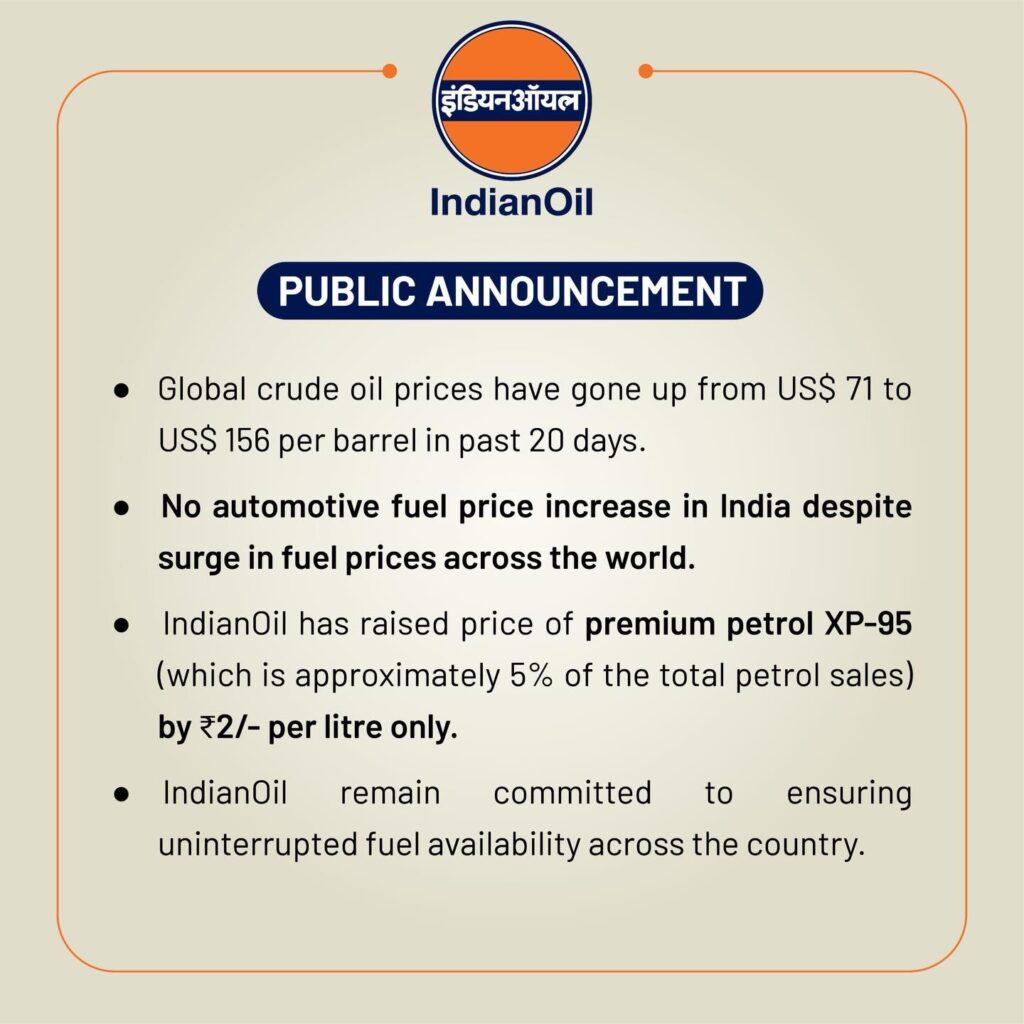
Public Announcement issued on 20th March 2026
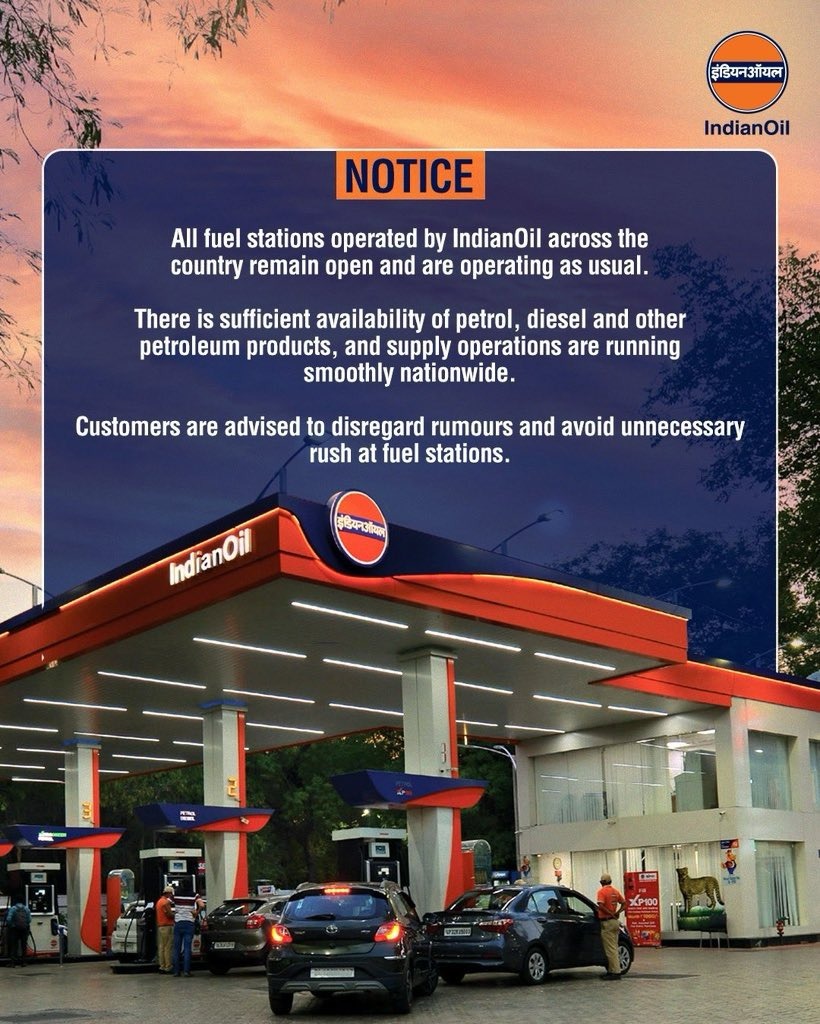
Public Statement issued on 17th March 2026
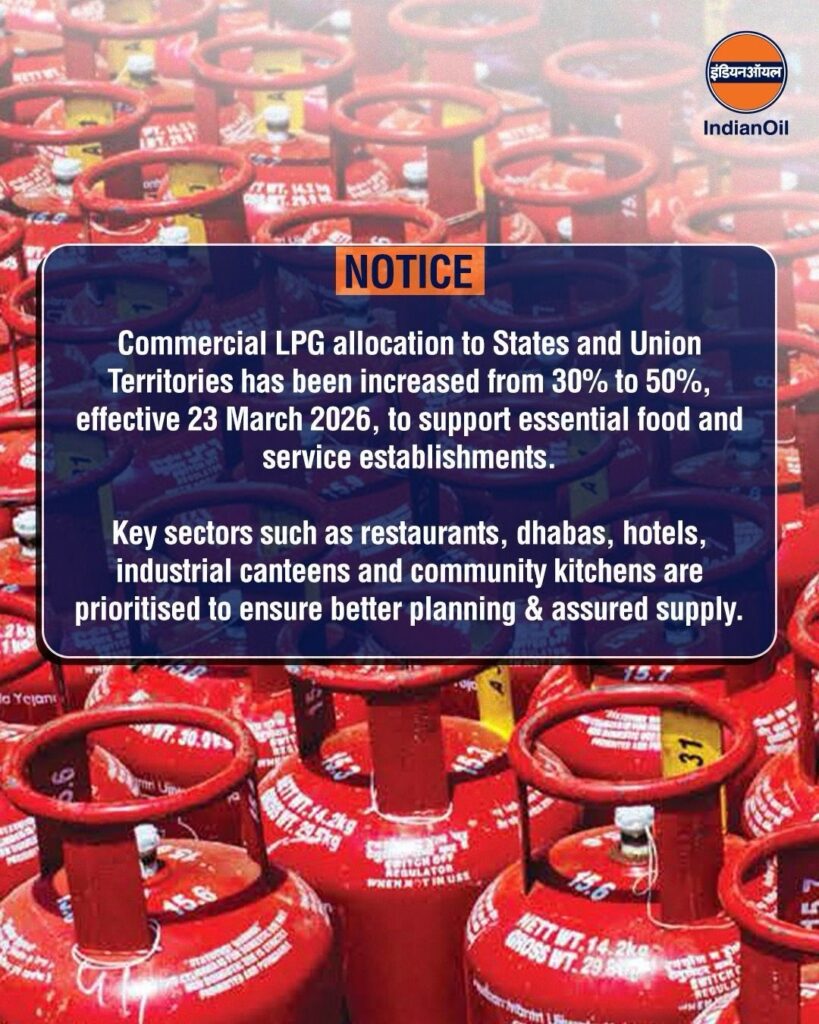
Public Announcement issued on 24th March 2026