In modern healthcare, leadership is rarely defined by operational authority alone. It is measured by the ability to navigate complex systems while ensuring that patient experience remains central to institutional priorities. At a time when healthcare ecosystems are becoming increasingly technology-driven and process-oriented, leaders who can integrate efficiency with human sensitivity are essential.
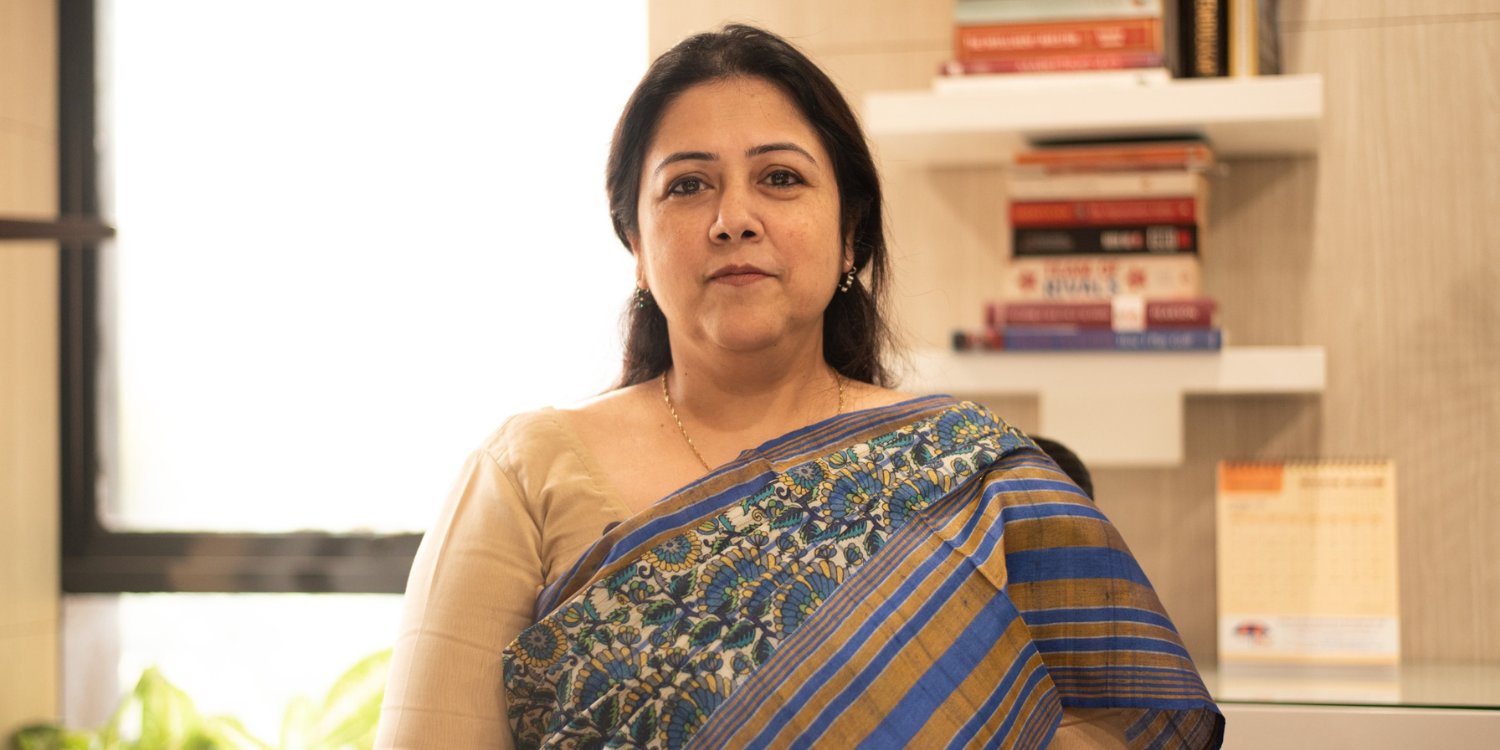
Among those who exemplify this balance is Ruma Banerjee, Joint President of Ambuja Neotia Healthcare Venture Limited, and we take immense pleasure to recognise her under the title “India’s 10 Most Influential Women Healthcare Visionaries – 2026.”
The Early Realisations That Defined Her Approach
Ms.Banerjee’s leadership philosophy emerged early in her professional journey while working closely with hospital teams. Despite observing strong clinical protocols and efficient operational frameworks, she noticed a recurring gap: patients and their families often felt overwhelmed and unheard while navigating complex care pathways.
One such interaction left a lasting impression on her. It highlighted how healthcare systems were frequently structured around institutional processes rather than patient experiences. This realisation shaped her long-term perspective that sustainable healthcare leadership must prioritise not only medical outcomes but also communication, trust, and clarity for patients and families.
Since then, Ms.Banerjee has consistently emphasised that operational efficiency and human sensitivity are not competing objectives but interdependent pillars of effective healthcare systems.
Leading with Vision and Responsibility
Being the decision making authority often involves high-stakes decisions where patient needs, clinical priorities, and long-term sustainability must be carefully balanced. Ms.Banerjee approaches such situations through a disciplined decision-making framework guided by three key filters: patient impact, clinical integrity, and long-term viability.
She views compassion and operational discipline not as trade-offs but as complementary elements. In her experience, empathy without structure can lead to inefficiencies, while efficiency without empathy risks eroding trust, a critical component of healthcare delivery.
Her leadership style therefore prioritises transparent communication, data-informed decisions, and empowering teams to act with accountability while maintaining sensitivity toward patient dignity.
The Discipline of Trust-Building
One of the most persistent challenges in healthcare leadership, according to Ms.Banerjee, lies in aligning expectations across patients, clinicians, administrators, and communities. Trust, she notes, remains inherently fragile in healthcare settings where uncertainty and emotional stakes are high.
She emphasises that trust cannot be sustained through communication alone. It must be reinforced through consistent action, delivering on commitments, maintaining transparency even during difficult decisions, and encouraging open dialogue within teams.
Ms.Banerjee believes leadership is most critically tested during periods of systemic pressure. In such moments, integrity, consistency, and empathy determine whether institutional credibility is strengthened or weakened.
Purpose at the Core of Leadership
After more than two decades in leadership, Ms.Banerjee continues to draw motivation from the tangible impact healthcare has on people’s lives. Witnessing patient recovery, observing the resilience of frontline teams, and seeing collaborative problem-solving within healthcare institutions remain key sources of professional inspiration.
She also finds sustained purpose in the evolving nature of healthcare itself, shaped continuously by technological advancements, policy changes, and shifting patient expectations. This dynamic environment, she notes, reinforces the importance of adaptability and long-term systems thinking in leadership roles. One thing she constantly reminds herself is that while leadership carries responsibility, it is also a privilege to serve, build, and positively impact lives.
The Legacy She Envisions
Leaving an impact is not defined by titles or individual recognition, but by the pathways created for others. Ms. Banerjee hopes to leave behind a framework of courage, integrity, and possibility, one that assures future women leaders in healthcare administration and policy that leadership is not an exception, but a natural extension of their capability and vision. If her journey demonstrates that empathy can coexist with strategic strength, and that decisiveness can align with compassion, she considers that meaningful progress.
Her aspiration is to help build systems where women are mentored, heard, and given equitable access to decision-making platforms. Ultimately, her measure of impact lies in seeing the next generation step forward with greater confidence, stronger institutional support, and the authority to shape healthcare policy with clarity and purpose.