
Modern healthcare thrives at the intersection of skill and soul, where clinical expertise is supposed to be paired with a genuine commitment to people. In an era defined by breakthroughs and algorithms, what truly stands out is care that still feels human.
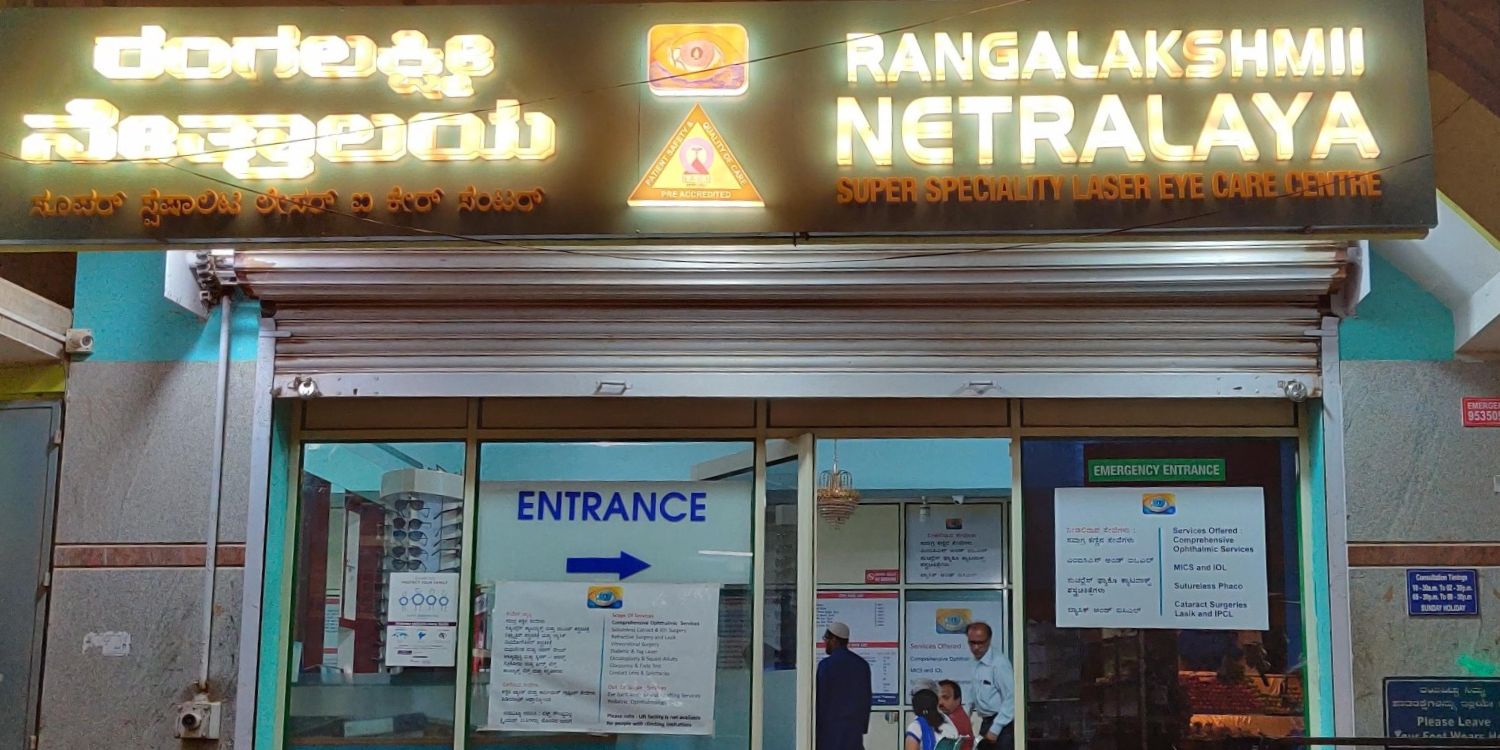
Rangalakshmii Netralaya is a clear example of that ideal in practice. Rooted in a patient-first philosophy, the hospital blends advanced eye care technology with accessible programs that bring treatment closer to every individual.
In short, Rangalakshmii Netralaya brings together the heart and the science of eye care translating the broad promise of compassionate, modern healthcare into real vision for thousands of patients.
A Patient-first Vision
At the core of Rangalakshmii’s approach is a simple operating principle: treatment must be customised and affordable. As its CEO, Ms. Rupashree explains, the hospital resists one-size-fits-all medicine; instead it assesses each patient’s clinical need and financial situation to design care that fits. That pragmatic compassion is why many patients keep returning, where in turn – trust is reinforced by consistent outcomes, sensible pricing and an attitude that the hospital is not a “commercial setup”.
Acknowledging the challenges faced by healthcare professionals in our country, Rangalakshmii Netralaya fosters a supportive, family-like environment with flexible work conditions. These initiatives have led to impressive staff retention, with many clinical and non-clinical members remaining part of the organisation for over eight to ten years.
From Certification to Commitment
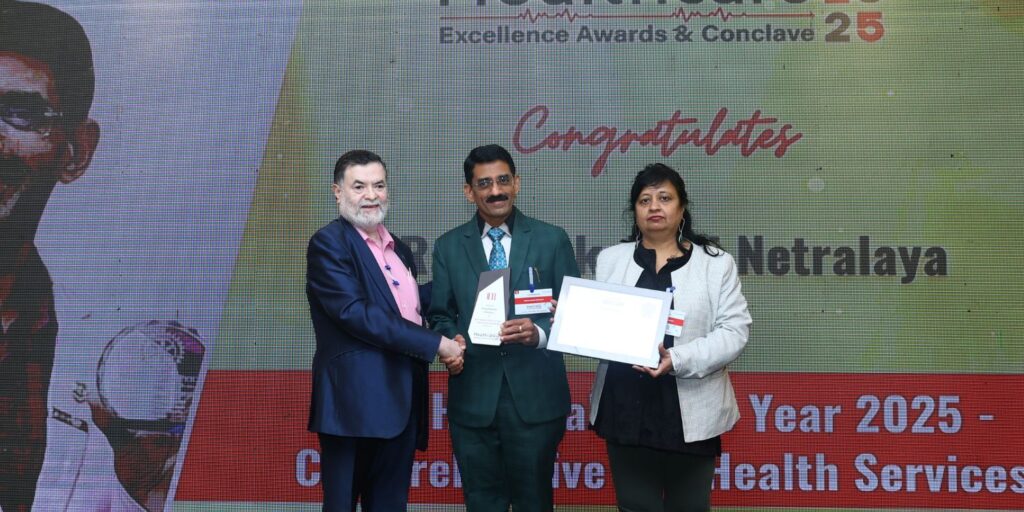
Rangalakshmii’s NABH accreditation is not just a badge , it anchors practical systems. The hospital collects patient feedback, holds monthly multidisciplinary meetings, and maintains operation logs, discharge summaries and consent records as part of routine checks. Ms. Rupashree, the CEO, describes weekly reporting cycles and incentive-linked accountability so departments remain consistent in their deliverables.
Compassion in Crisis
When COVID restrictions arrived, the hospital prioritized safety without abandoning patients. Rangalakshmii shifted to OPD-only and emergency services when needed, enforced strict sanitization and crowd control, sanitizing hourly at peak times, and used teleconsultations to maintain continuity. The hospital also provided free video consultations and did not charge patients in many cases – an approach that reinforced community trust and loyalty.
Community Outreach as Core Service
The hospital runs a foundation that organizes free operations for deserving patients, school screenings, Rotary collaborations, and remote outreach, even to foothill villages and tribal hamlets. Dr. Venkatasubramaniam, the Medical Director highlights a major diabetic retinopathy program – telemedicine-based screening centers, some in remote districts, which use retinal imaging and centralized reading to test and treat patients. The model has been effective of roughly 1,000 diabetics screened in recent drives, about 85% of those requiring laser treatment followed through with care. The team also funds equipment for partner centers and travels regularly to deliver free retina laser therapy.
A practical insight the leaders share is why outreach matters – urban patients often delay care because of time constraints; rural patients frequently don’t recognize the problem. Rangalakshmii’s solution is proactive, repeated screenings, school programs, follow-up calls, and even home-screening kits run by qualified technicians with telemonitoring by specialists. That home-based model has allowed large-scale follow-up; roughly 500 children were monitored in two years, contributing to measurable reductions in myopia progression.
Redefining Technology and Innovation
Rangalakshmii has not treated technology as a novelty but as a practical enabler. The hospital has partnered on AI protocols for diabetic retinopathy and glaucoma screening (notably an AI product called Medios), enabling scalable tele-screening and early detection. Dr. Venkatasubramaniam notes recognition from international bodies for this work. In surgical outcomes, adoption of advanced biometry (IOL Master), femtosecond lasers, robotic-assisted vitreo-retinal tools, and MIGS (KDB micro-incision glaucoma surgery) have driven refractive and cataract outcomes to extraordinary levels. Dr. Venkatasubramaniam reports target refraction success rates approaching 98–99% in many cases, narrowing the gap between premium and basic patients.
For children under five, a notoriously hard-to-assess group, Rangalakshmii is piloting VR-based screening headsets that make testing objective, quick and child-friendly. The VR system records eye movements and responses so clinicians can infer visual acuity without standard charts or verbal cooperation. This is an early-adopter move that could reshape school screening protocols by enabling accurate detection of visual deficits at ages when intervention is most beneficial.
Investing in People, Not Just Expertise
Rather than hoarding experts, the hospital invests in training junior doctors through wet labs, CME programmes, journal clubs and external conferences. A dedicated training center in Gauribidanur supports capacity building in peripheral locations; Rangalakshmii also supports local surgeons with equipment and mentorship. Dr. Venkatasubramaniam emphasizes that developing the next generation of holistic surgeons – not just narrowly trained subspecialists – is a strategic priority.
A Vision for Growth Rooted in Values
Looking ahead, the hospital plans to expand screening centers, incorporate more AI-driven tools, broaden training and incubation for community-based services, and continue balancing high-technology care with affordability.
All in all, Rangalakshmii Netralaya’s story is instructive because it shows how values, when operationalized through systems, technology and outreach, produce scalable public health outcomes.