
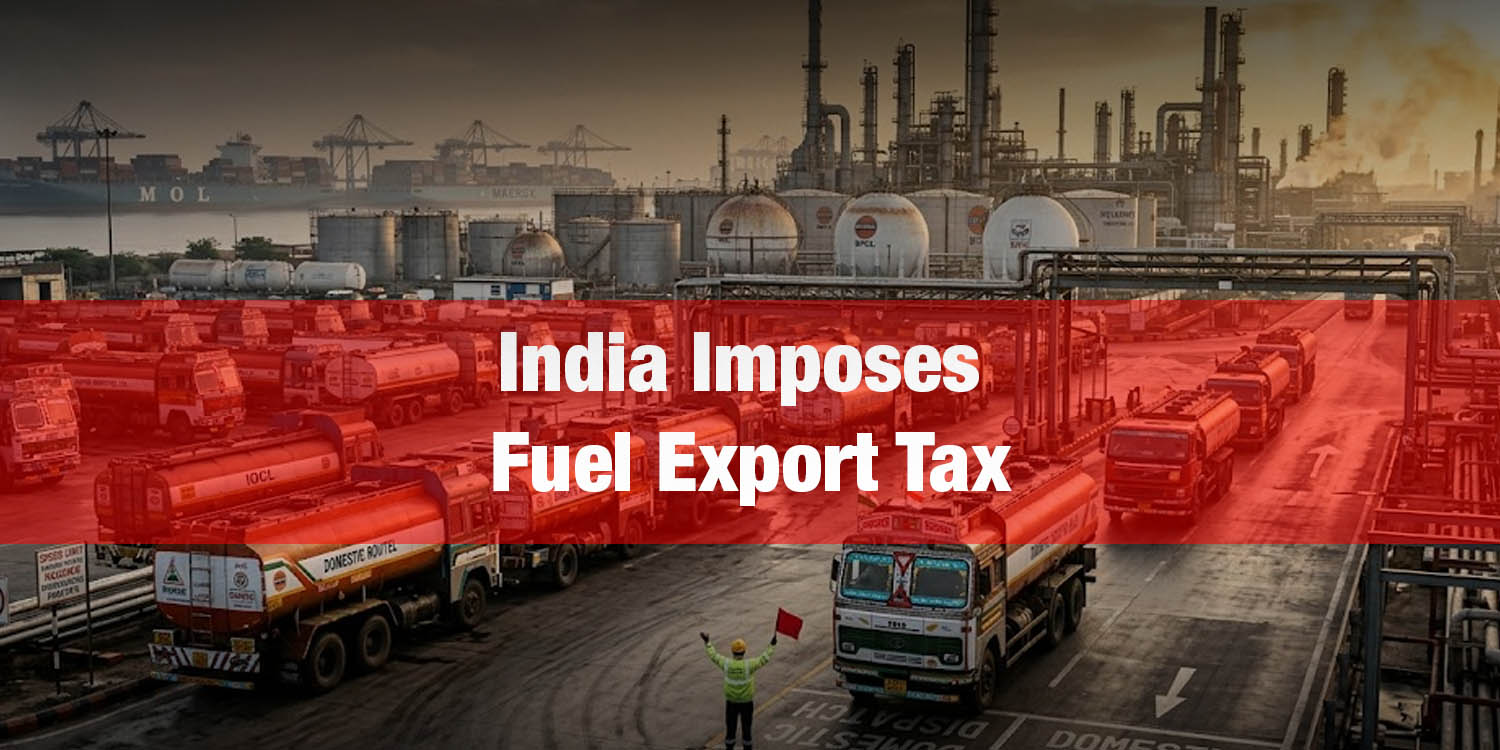
In a significant policy move, the Indian government has mandated an export tax on refineries selling petrol and diesel overseas, as global fuel prices continue to surge. The decision, announced by Hardeep Singh Puri, signals a strategic effort to prioritise domestic fuel availability amid rising international volatility.
The move comes at a time when crude oil prices have sharply increased due to ongoing geopolitical tensions, pushing up fuel costs worldwide. By imposing this tax, the government aims to discourage excessive exports by domestic refiners and ensure that sufficient supplies remain within the country.
Officials have framed the decision as a balancing act between maintaining India’s position as a major fuel exporter and safeguarding the interests of domestic consumers. With India being one of the world’s largest refining hubs, a significant portion of its petroleum output is typically exported. However, the current global environment has prompted a shift toward protecting internal demand first.
The policy also reflects a broader trend of government intervention in the energy sector to cushion the impact of volatile global markets. Similar measures, including windfall taxes on fuel exports, have been used in the past to manage price shocks and stabilise supply.
Ultimately, the export tax underscores a clear priority: insulating Indian consumers from global price spikes while maintaining energy security. As geopolitical tensions continue to disrupt supply chains, further calibrated interventions in the fuel market may remain on the table.