
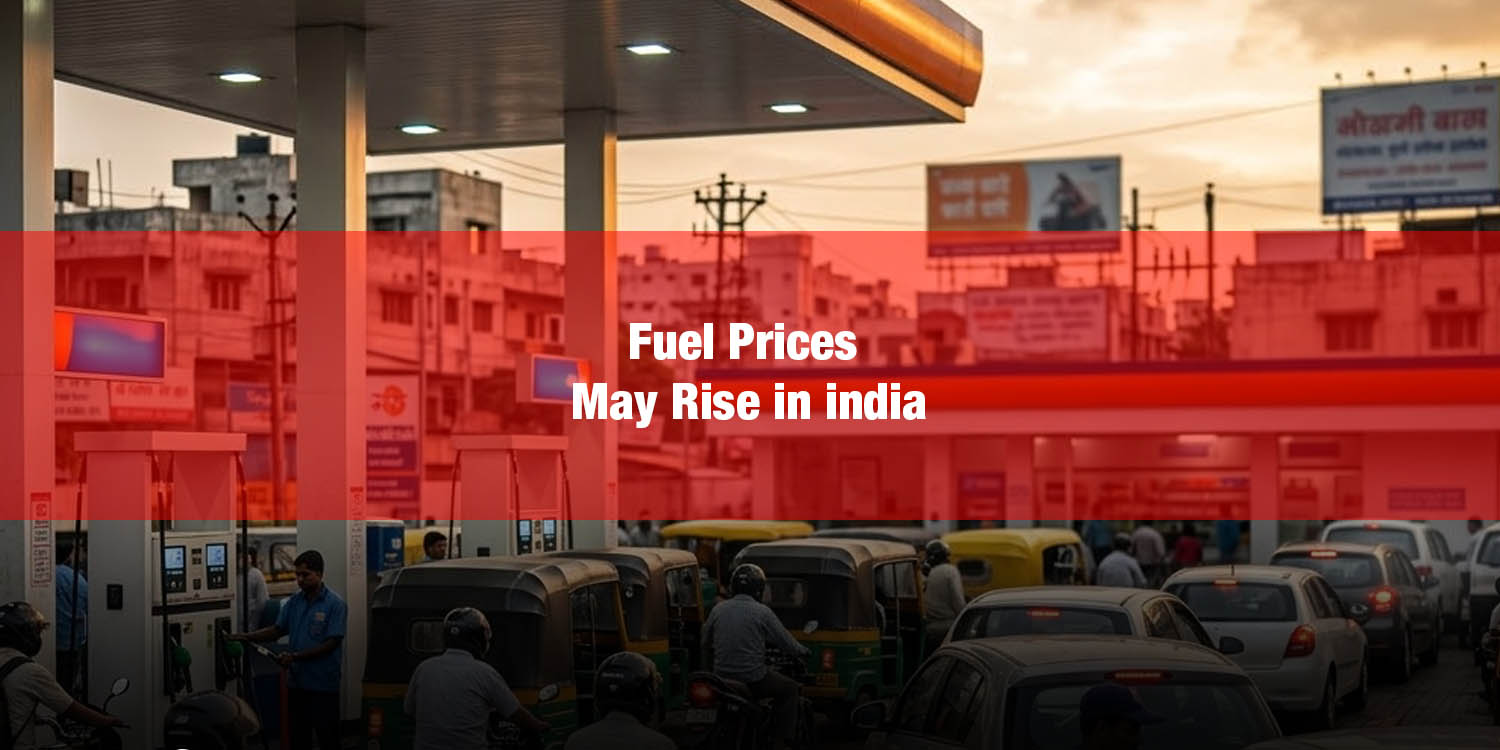
Amid rising geopolitical tensions in the Middle East, the Reserve Bank of India (RBI) has indicated that prolonged instability in the region could lead to an increase in fuel prices in India. RBI Governor Shaktikanta Das cautioned that global crude oil markets remain highly sensitive to disruptions, and any sustained escalation could have direct implications for domestic inflation.
India, being heavily dependent on crude oil imports, is particularly vulnerable to supply-side shocks. A spike in global oil prices would not only raise fuel costs but also impact transportation, manufacturing, and overall cost of living. The RBI has flagged this as a key risk factor that could influence inflation trends in the coming months.
Despite the current stability in fuel pricing, the central bank remains cautious. Officials are closely monitoring international developments, especially in oil-producing regions, as any prolonged conflict could tighten supply chains and drive prices upward.
The warning comes at a time when India is working to maintain inflation within its target range while supporting economic growth. A sustained rise in fuel prices could complicate this balance, potentially leading to policy adjustments if inflationary pressures intensify.
For now, the situation remains contingent on how geopolitical developments unfold, with policymakers maintaining a watchful stance on global energy markets.