
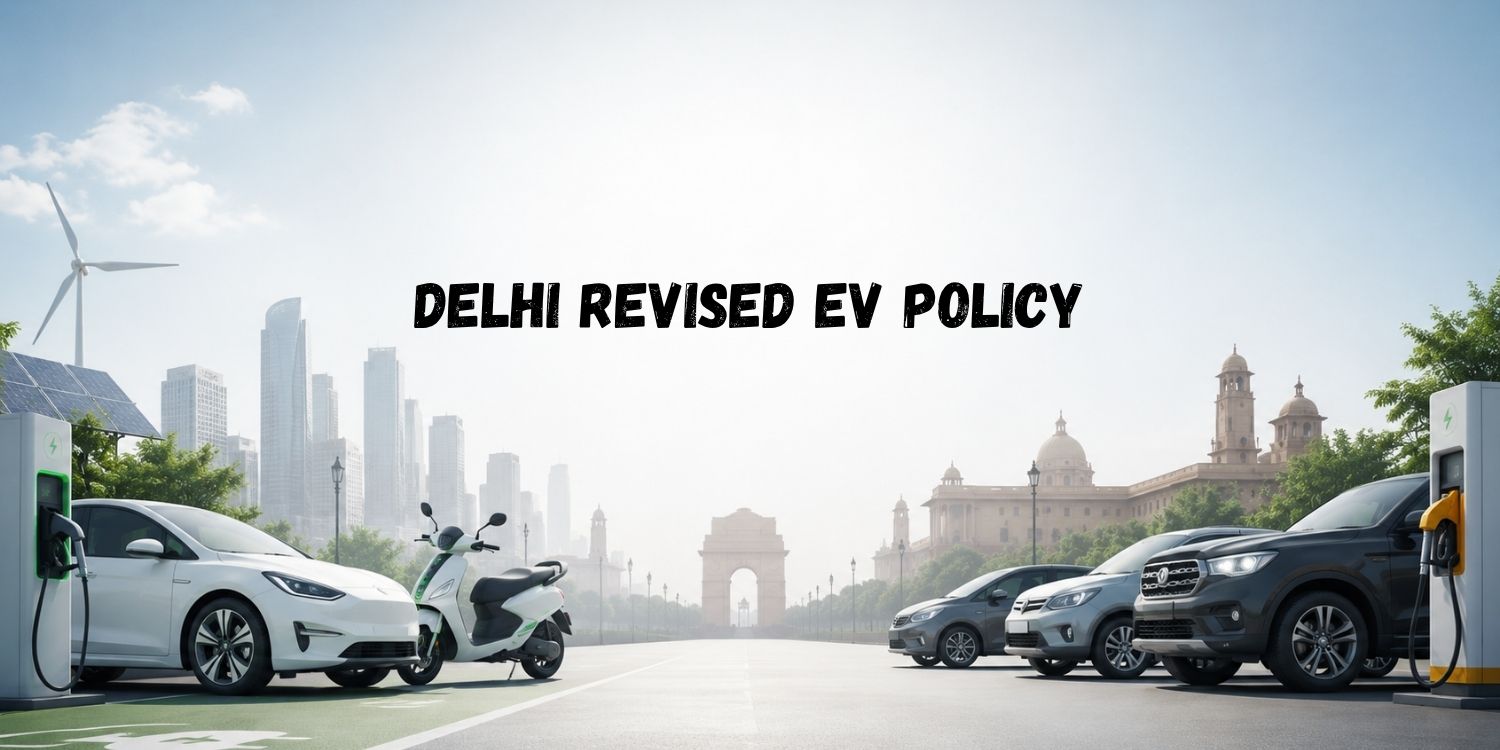
June, 2026: Automobile manufacturers have raised concerns over the Delhi government’s revised electric vehicle (EV) policy, citing operational, technological, and market-readiness challenges as key reasons for their opposition.
The draft policy, aimed at accelerating the transition to clean mobility, proposes phased restrictions on internal combustion engine (ICE) vehicles, including a ban on new petrol-powered three-wheelers from 2027 and two-wheelers from 2028. These measures form part of a broader effort to curb vehicular pollution and significantly increase EV adoption in the capital.
However, auto firms argue that the timeline for transition is too aggressive, particularly given the current limitations in EV infrastructure, supply chains, and product readiness—especially in segments like electric motorcycles. Industry bodies have cautioned that such mandates could disrupt production planning and strain existing manufacturing ecosystems.
A major point of contention is the policy’s stance on hybrid vehicles. Carmakers have expressed differing views, with some opposing incentives for strong hybrids while others argue that hybrids could serve as a practical transitional technology in the shift toward full electrification.
Manufacturers have also highlighted concerns over demand-side readiness, noting that EV adoption remains constrained by higher upfront costs and limited charging infrastructure. They have suggested that instead of strict bans, the government should prioritise scrappage of older polluting vehicles and a more gradual transition framework.
Despite the pushback, the Delhi government continues to position the policy as a critical intervention to tackle air pollution and meet long-term sustainability goals, with incentives such as tax waivers and subsidies aimed at encouraging EV uptake