

Nephrologists often call chronic kidney disease a silent epidemic, and with reason. The kidneys can lose much of their function before a patient feels anything. By the time swelling, fatigue or breathlessness appear, the conversation has often already turned to dialysis or transplant. In India, that silence is growing louder.
According to the Global Burden of Disease 2023 analysis published in The Lancet, India had around 138 million people living with chronic kidney disease in 2023, second only to China. The condition cost more than 1.2 lakh lives in India that year. Patients receiving dialysis under the Pradhan Mantri National Dialysis Programme rose from 2.43 lakh in 2019-20 to 4.53 lakh in 2023-24.
Much of this burden starts with how we eat and live. Salt-heavy, processed and refined-carbohydrate diets, long sedentary hours, poor sleep and chronic stress have pushed diabetes and high blood pressure to record levels, and these two conditions are the biggest threats to our kidneys. Diabetes is the leading cause of CKD and end-stage kidney disease in India, accounting for about a third of cases. A South Asian meta-analysis found CKD in 27 per cent of adults with hypertension and 31 per cent of those with diabetes. Researchers also point to low fruit and vegetable intake and high sodium consumption as substantial contributors to risk.
The concern is also about who is affected. Kidney disease was once seen as an illness of old age. Today, nephrologists routinely see patients in their thirties and forties whose kidneys have been quietly damaged by years of undetected high sugar or blood pressure. They also treat children with congenital and genetic kidney conditions. Still, there is reason for hope: most people living with CKD in 2023 were in the early stages. At that point, screening, lifestyle change and timely treatment can slow or even halt progression.
That is why this issue matters. Behind every early diagnosis, every well-managed dialysis and every successful transplant is a nephrologist who combines clinical skill with patience. Many also guide families through some of the hardest decisions they will face. With India’s Top Nephrologists 2026, TII Magazine recognises fifteen specialists who are raising the standard of kidney care across the country.
Our cover features Dr. A. V. Ingale, alongside other distinguished nephrologists whose stories, expertise and contributions to kidney care we bring you in the pages that follow.
How We Selected the List
- Clinical experience and volume: years in practice, patients treated, and dialysis and transplant cases managed
- Breadth of expertise: CKD care, dialysis, transplant, paediatric, critical care and interventional nephrology
- Patient outcomes and trust: treatment results, patient feedback and continuity of care
- Academic contribution: research, publications, teaching and mentoring young nephrologists
- Peer recognition: professional standing, society roles, awards and peer endorsements
- Innovation: adoption of new techniques, technology and treatment protocols
- Access and community impact: affordable care, screening camps, awareness work and reach beyond metros
- Ethical practice: transparent, patient-centred communication

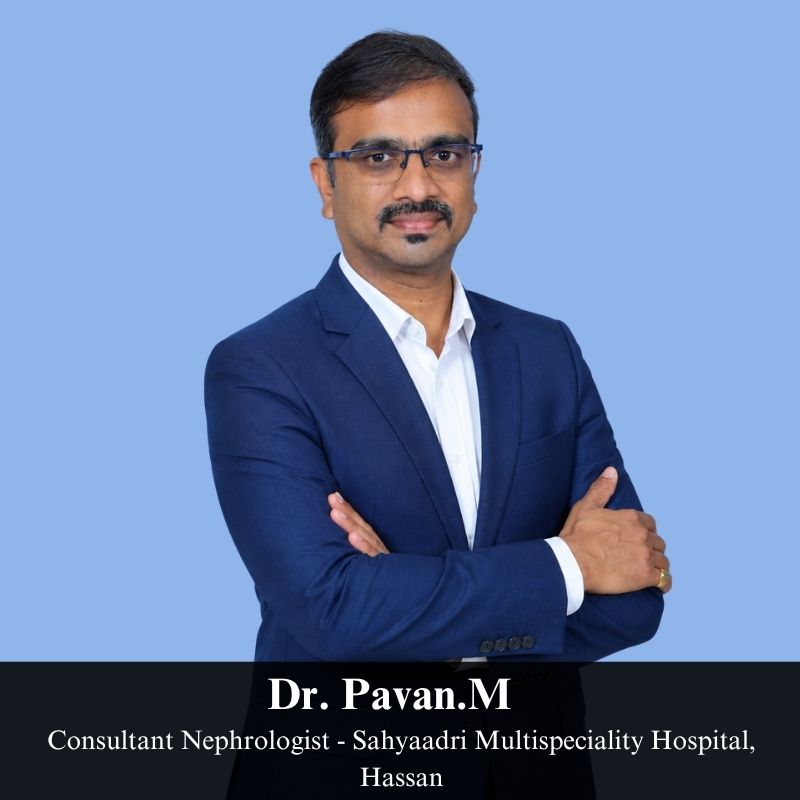
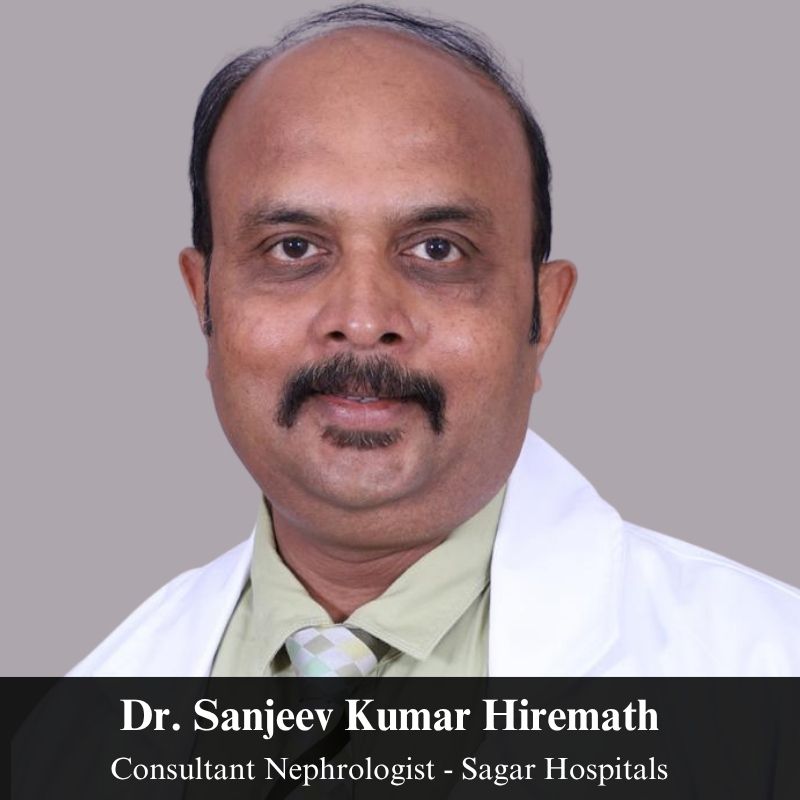


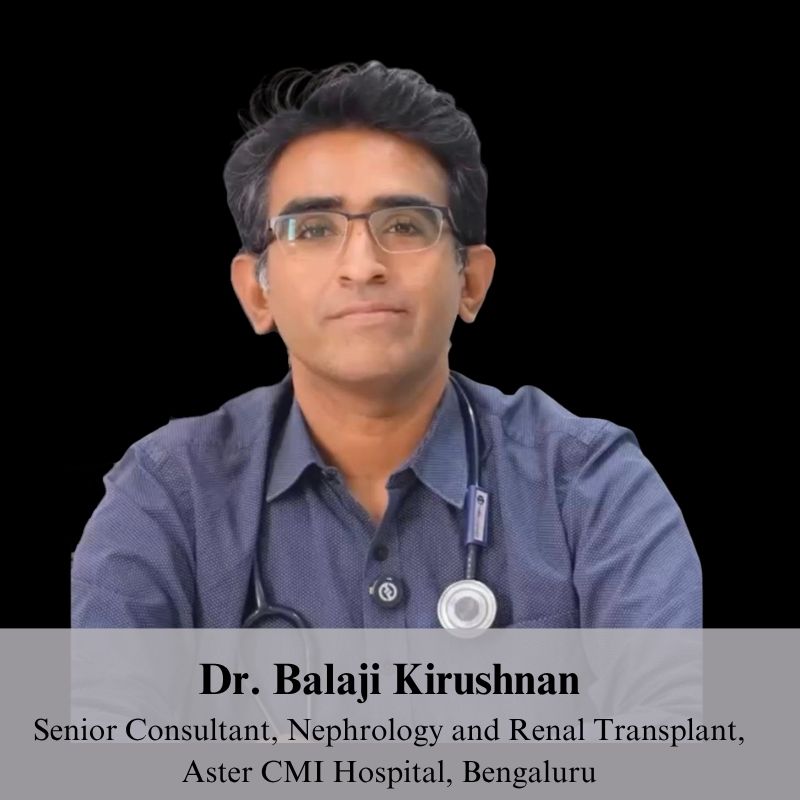
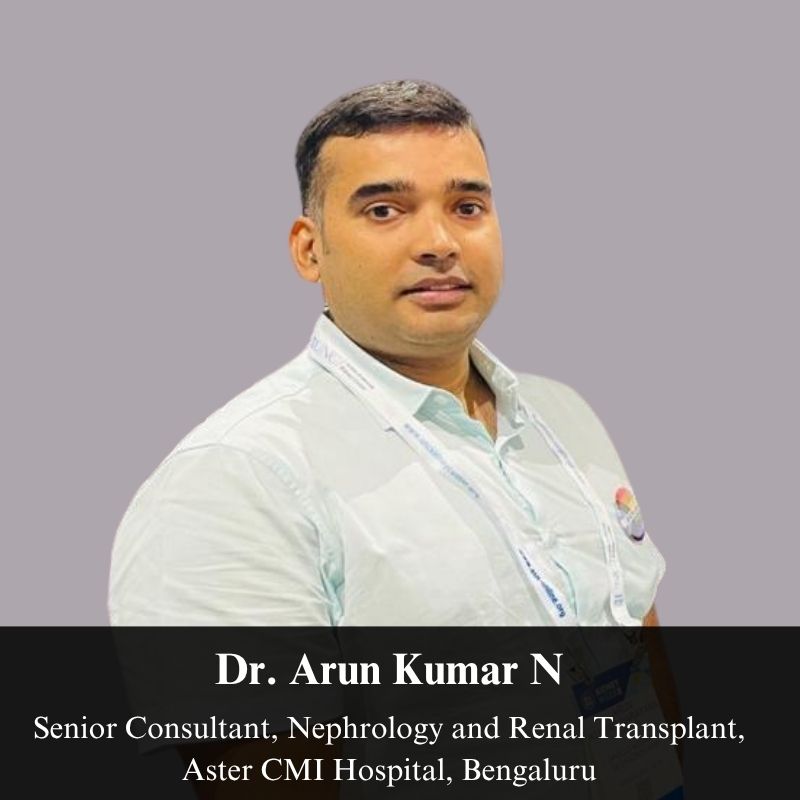
Nephrologist | Institute / Location |
Fortis Hospital, Mulund, Mumbai | |
Dr. Arun Kumar N. | Aster CMI Hospital, Bengaluru |
Dr. Ashwinikumar Aiyangar | Apollo Hospitals, Secunderabad, Hyderabad |
Dr. Balaji Kirushnan | Kauvery Hospital, Chennai |
Dr. Dinesh Khullar | Max Super Speciality Hospital, Saket, New Delhi |
Dr. Georgi Abraham | MGM Healthcare, Chennai |
Dr. Noble Gracious S. S. | Government Medical College, Ernakulam |
Sahyaadri Multispeciality Hospital, Hassan | |
Dr. Sanjeev Gulati | Fortis Hospital, Vasant Kunj, New Delhi |
Dr. Sanjeev Kumar Hiremath | Sagar Hospitals, Bengaluru |
Dr. Shruti Tapiawala | Gleneagles Hospital, Parel, Mumbai |
Dr. Shyam Bihari Bansal | Medanta – The Medicity, Gurugram |
Dr. T. Saravanan | Abirami Kidney Care, Erode |
Dr. Umesh Khanna | Lancelot Kidney & GI Centre, Mumbai |
Dr. Vijay Kher | Medanta – The Medicity, Gurugram |
Editorial

Rethinking How India Cares for Its Kidneys
For most of its history, nephrology has been a specialty of rescue. Patients arrived when their kidneys were already failing,...
In-House

Making Kidney Transplants Affordable in India
For a patient with kidney failure, a transplant is usually the best option available. It offers longer survival, a better...

The Rising Threat of Cardio-Kidney-Metabolic Disease in Young India
Ask a 25-year-old about kidney disease, heart attacks or diabetes, and most will say those are worries for their parents'...

The Rise of Precision Nephrology
For decades, kidney care has depended on two main tests: serum creatinine and the estimated glomerular filtration rate (eGFR), often...

Robotic Kidney Transplants Reach India’s Public Hospitals
For years, robotic surgery in India was linked with premium private hospitals, advanced technology and costs few families could afford....