
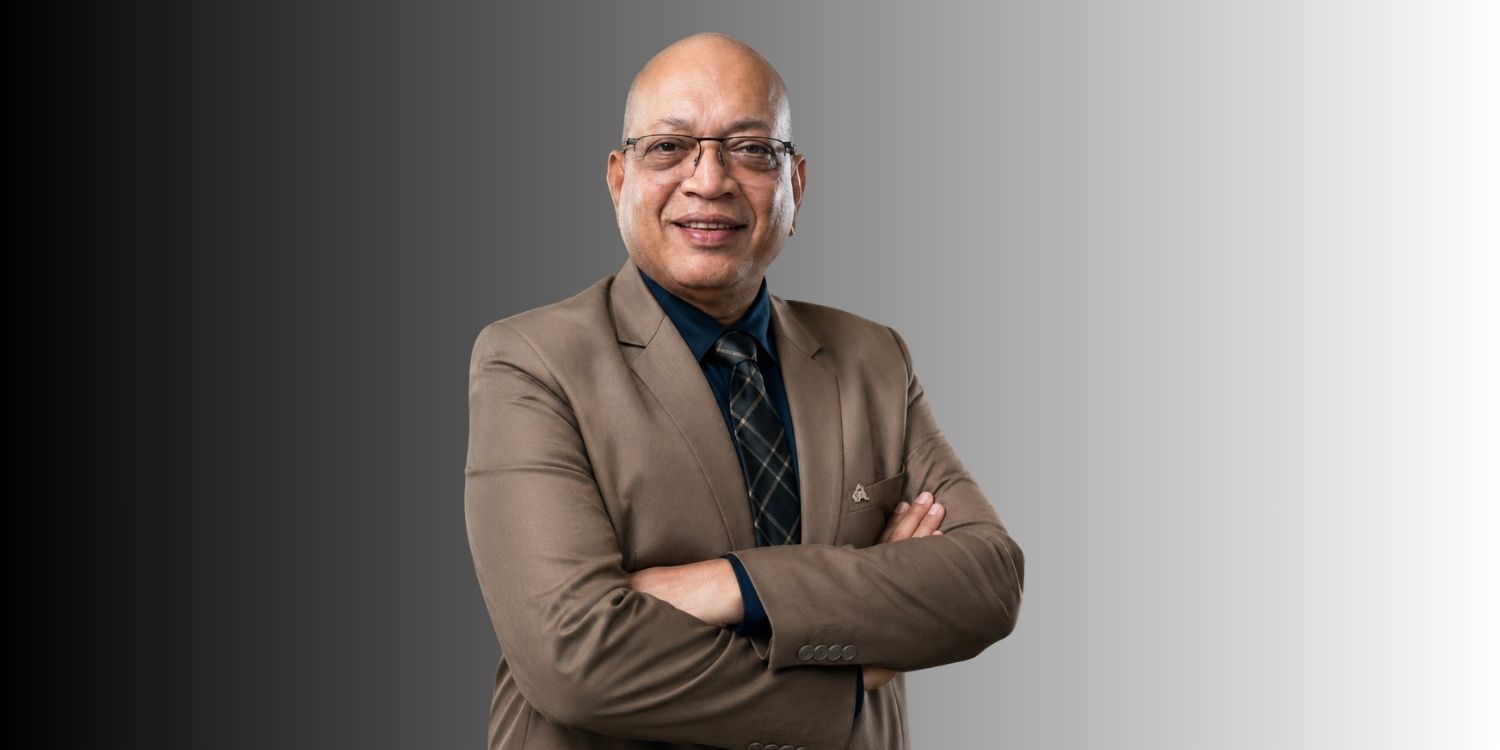
In 1993, Navi Mumbai had no nephrologist. It had no dialysis unit, no trained technicians, no institutional memory of how to keep a failing kidney alive long enough to matter. What it had was a young doctor who had just returned from training in Boston and Michigan, wandering through a green, half-built stretch of land outside Mumbai, and deciding, almost on impulse, that this was where he’d build a career. Dr. Atul V Ingale, now Director of Nephrology at Fortis Hospitals, Vashi and Mulund, didn’t inherit a specialty in that city. He built one from nothing, and in doing so, helped write the very definition the world now uses for chronic kidney disease. That combination, a pioneer’s grit and a genuine hand in shaping global medical guidelines, is why he stands among India’s Top Nephrologists of 2026.
An Upcoming Branch, Chosen Early
Dr. Atul Ingale’s path into nephrology began almost by accident, during his MD in Medicine at Government Medical College, Aurangabad, between 1987 and 1989. Nephrology was still an emerging discipline in India at the time, so early, in fact, that proper training simply didn’t exist domestically. “I had to move to the US to get trained in nephrology,” he says. He spent his formative years in the US before returning to India and joining Hinduja Hospital, Mumbai, as a junior consultant.
What drew him to the field wasn’t a single dramatic moment, but something quieter – an attraction to its procedures, the tactile, high-stakes mechanics of dialysis and transplantation. “Somehow I was attracted towards it,” he says simply.
Falling in Love With an Empty Map
By 1993, restless and freshly trained, Dr. Atul found himself wandering through Bombay’s outskirts and stumbled onto Navi Mumbai. He migrated there almost on a whim, becoming, by his own account, the city’s first nephrologist. He is credited with performing Navi Mumbai’s first dialysis in 1993 and its first kidney transplant in 1999.
The reality on the ground was unglamorous. The hospital he initially approached, MGM, wasn’t yet ready to invest in a dialysis machine, so he moved to a modest, 40-bed nursing home run by a general physician, Dr. Patil, who was willing to take the financial risk. Dr. Atul Ingale worked as Dr. Patil’s assistant while quietly building his own nephrology practice on the side. There was no support staff trained for dialysis, no technicians, no nurses who understood the procedure. “I was a one-man show,” he says, “right from consultant to technician.” He calls those early years, 2000 and 2001 in particular, simply, “I slogged.”
The Study That Changed Everything
The turning point came in 2001, when a study from the MGM Centre in Navi Mumbai, examining Omega-3 fatty acids in renal failure patients battling septic infections, drew international attention. That same year, Dr. Atul was inducted into the K-DOQI guidelines process, one of the most consequential undertakings in the history of the specialty. The National Kidney Foundation of the USA had convened roughly 120 nephrologists from across the globe to standardise a discipline that, until then, had no single agreed-upon definition. “Chronic renal failure was something like the elephant described by a blind man,” he says. “Definitions were different in different parts of the world.” The K-DOQI guidelines renamed the condition “chronic kidney disease” and gave it a single, global definition, one still in use today, later evolving into the KDIGO guidelines, of which he remains a part.
From that point, his career accelerated. He became a University of Mumbai professor in 2003, notably young for the honour, and has since performed more than 300 kidney transplants. Two remain etched in his memory – a 2017 case in which he convinced an 80-year-old father to donate a kidney to his 30-year-old son, an unusually accepted donor age, and another involving a patient with such deep trust in him that he went from diagnosis of end-stage renal disease to transplant surgery in just ten days.
Teaching as a Quiet Discipline
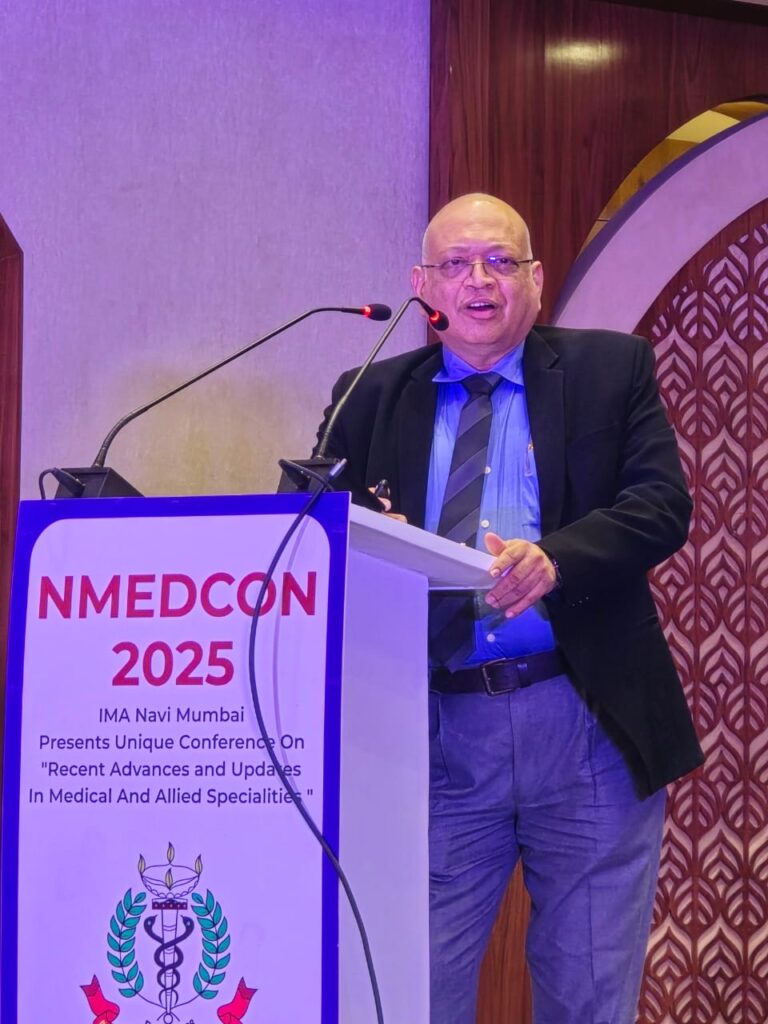
Dr. Atul V Ingale’s academic career began less out of ambition and more out of necessity; a lecturer’s salary helped make ends meet in his early years. A bureaucratic quirk meant the Indian Medical Council wouldn’t formally recognise his American nephrology training, so he was only permitted to teach general medicine, not the specialty itself. He built his reputation there instead, and when the University of Mumbai later asked him to formally teach nephrology, he declined. Fifteen years into teaching medicine as a genuine passion, the offer no longer excited him the way it once might have. But that experience left a permanent mark on his clinical practice. “If you are teaching, you stick to the guidelines,” he says. “You treat patients in a better way, as per the latest evidence.” He now channels that same instinct into mentoring younger nephrologists, discussing emerging molecules and treatment protocols with a teacher’s clarity.
A Country Learning to Listen to Its Kidneys
Dr. Atul is candid about India’s rising kidney disease burden, largely driven by diabetes and hypertension. Incidence climbed from roughly 11.2% between 2011 and 2017 to nearly 17% between 2018 and 2023. But he’s equally proud of a shift he has personally worked toward since World Kidney Day was first observed in the mid-2000s: growing public awareness. “Indian people are very well versed with chronic kidney disease,” he says. “They ask, doctor, check my kidney.” His advice to the public is direct: keep blood sugar and blood pressure under control, drink roughly three litres of water daily, limit salt to about three grams, avoid alcohol and tobacco entirely, and aim for 150 minutes of exercise a week. On tobacco specifically, he’s unambiguous: “It is the biggest killer of the kidney,” worsening blood sugar control, blood pressure, and disease progression, even though lungs tend to take the public blame.
Faith, Guidelines, and a Line He Won’t Cross
Ask Dr. Atul Ingale how he counsels an anxious patient before surgery, and his answer blends frankness with something close to reassurance. “I tell them, sixty to seventy percent goes as per faith, and thirty percent goes with medicine,” he says. “I am not a God, but I will try to do my best.” His governing principle over three decades of practice has stayed simple – absolute honesty, strict adherence to protocol, and zero experimentation. “It’s not only from a legal point of view,” he says, “but for your conscience also. I am most scared of my own conscience.”
Beyond the Hospital
Away from the OT, Dr. Atul V Ingale describes himself as unexpectedly “happy-go-lucky.” He drives sports cars on weekends, holds a private flying licence, and paints on canvas whenever he needs to reset his focus. His wife, also a doctor,
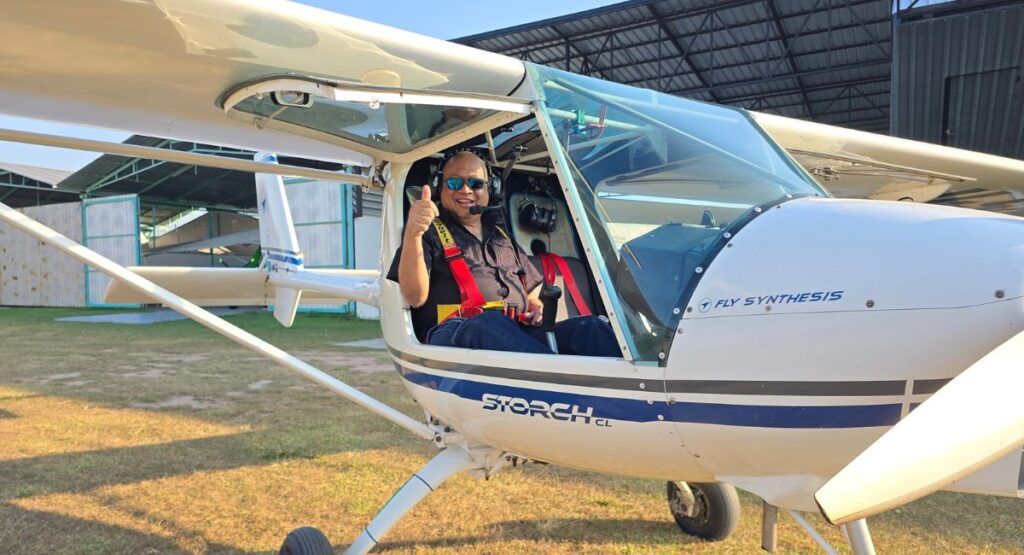
shared the demands of raising two children through years of 16 to 18-hour workdays; their children are now grown, one a spine surgeon, the other in management in Sydney.
On AI in medicine, he remains measured rather than dismissive. “It’s helpful, but not one hundred percent,” he says, noting that even AI-assisted presentations he’s tried building often miss the precise point he wants to make. “Ultimately, the human brain is required.”
His message to the next generation of doctors circles back to the same instinct that carried him through Navi Mumbai’s empty dialysis wards three decades ago: patience over speed. “The person who climbs the ladder very fast also comes down very fast,” he says. “Work hard, and you will achieve it.”