
A fragile ceasefire between Israel and Lebanon has come into effect following weeks of intense conflict, offering a temporary pause in hostilities amid broader regional tensions involving Iran and the United States.
The 10-day truce, brokered by the U.S. under Donald Trump, is intended to create space for diplomatic negotiations, though concerns remain over its durability. Hezbollah has not formally endorsed the agreement, and Israeli forces continue to maintain a presence in parts of southern Lebanon, raising questions about long-term stability.
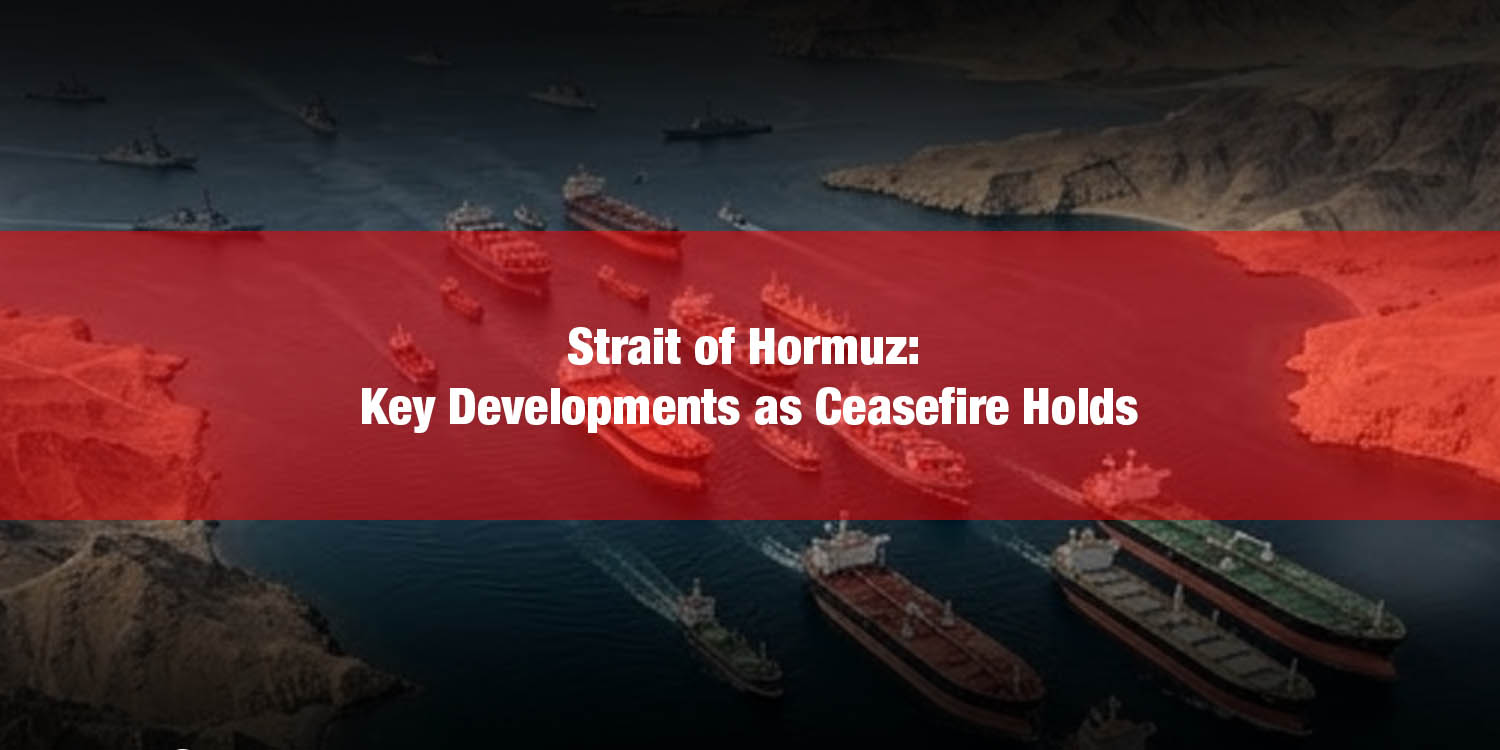
In parallel, developments in the Persian Gulf have added a significant economic dimension to the situation. Iran has announced that the strategically vital Strait of Hormuz, through which a substantial share of global oil passes, has been reopened to commercial shipping during the ceasefire period.
However, tensions between Washington and Tehran remain unresolved. Despite the reopening of the waterway, the U.S. has continued its naval blockade on Iranian vessels, with President Trump indicating that restrictions will remain until a broader agreement is reached, particularly concerning Iran’s nuclear programme.
The reopening of the strait has had immediate global economic effects, contributing to a sharp drop in oil prices and renewed optimism in financial markets. At the same time, shipping operations remain cautious, with reports indicating that vessels may still require Iranian clearance and face security risks in the region.
Diplomatic efforts are ongoing, with discussions around a possible U.S.–Iran agreement continuing alongside the Lebanon ceasefire. Analysts note that while recent developments signal a move toward de-escalation, the situation remains highly volatile, with multiple unresolved military and political flashpoints.
The coming days are expected to be critical in determining whether the ceasefire can evolve into a more lasting regional settlement or if tensions will resurface