
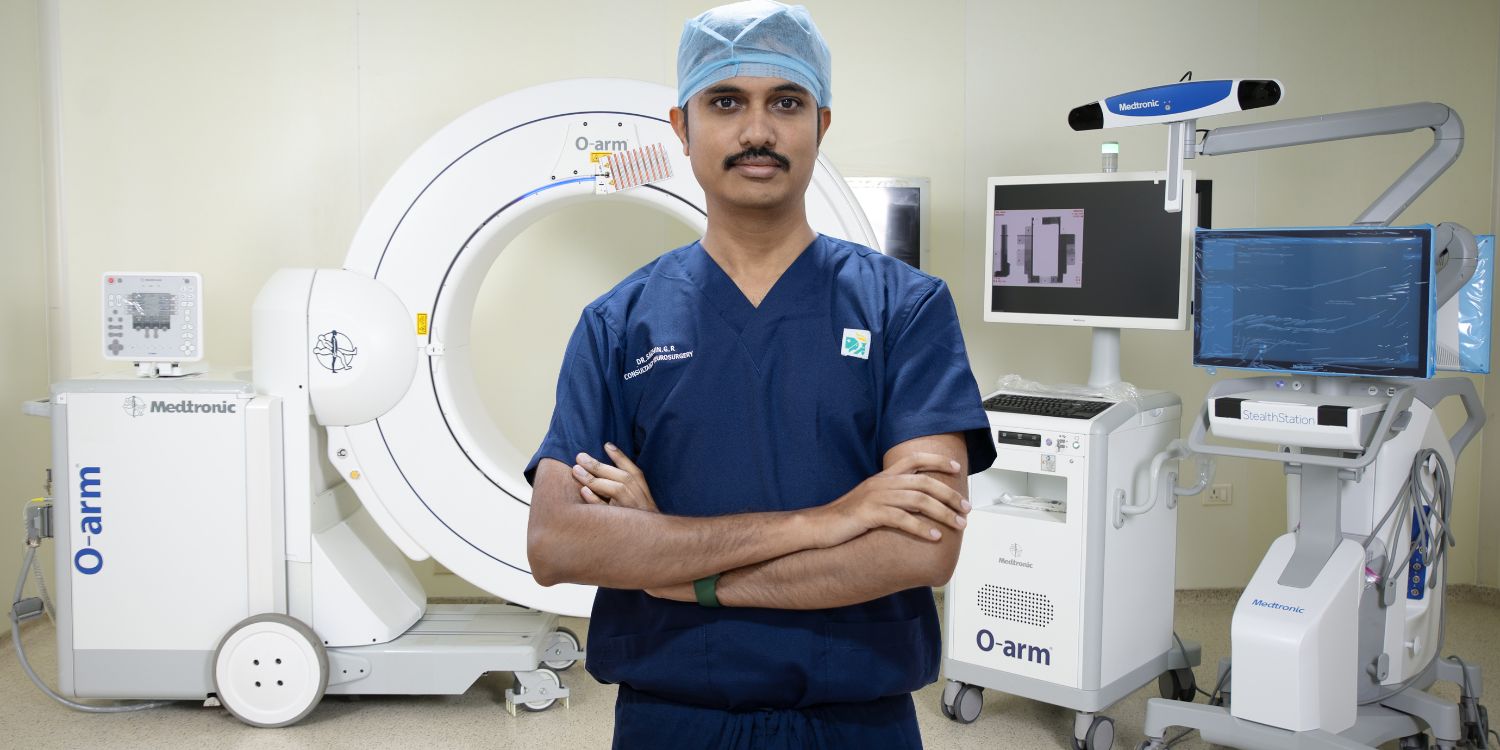
The study of medicine has long attracted those inclined to understand the complexities of the human body. Neurology by nature becomes one of those areas that remain among the most intricate and least fully understood in clinical science. It demands more than technical skill; it requires the ability to interpret complexity, make time-sensitive decisions, and function within high-pressure clinical settings.
It is within this framework that practitioners such as Dr. Sachin G.R have been pulled to. His trajectory aligns with the discipline itself, defined by continuous learning, adaptation, and a consistent focus on improving surgical outcomes.
Origins of a Neurosurgical Path
The path toward neurosurgery for Dr. Sachin G.R began during his early medical training, shaped by a sustained engagement with the anatomical and functional complexity of the human brain. As a first-year MBBS student, routine cadaveric dissections introduced him to neuroanatomy, a subject often regarded as difficult and abstract. Rather than deterring interest, this complexity prompted closer study, particularly of neural tracts, their physiology, and the clinical localisation of neurological disease through symptom correlation and imaging. This analytical dimension of neurology formed the basis of his early inclination toward the field.
A more definitive transition occurred during his postgraduate surgical training. Exposure to neurosurgical wards, intensive care units, and emergency cases provided a realistic understanding of the discipline’s demands. One clinical episode, involving the emergency evacuation of a hematoma in a young patient following a severe head injury, marked a turning point when he consolidated his decision to pursue the specialty.
Dr. Sachin’s residency at the Postgraduate Institute of Medical Education and Research (PGIMER) contributed significantly. Case after case his experience of prolonged working hours, high patient volumes sustained exposure to critical cases.
Subspecialty Training and Global Exposure
Subsequent fellowships across India, Japan, and Canada introduced Dr. Sachin to structured sub-specialty-based neurosurgical practice. In contrast to generalised surgical models, these systems emphasised focused expertise within defined domains such as skull base surgery, spine surgery, and neuro-oncology. His training in skull base surgery in Japan was particularly influential. Exposure to advanced operative techniques, specialised instrumentation, and coordinated surgical teams informed his later clinical practice.
A Decade of Transition in Neurosurgical Practice
Over the past decade, neurosurgery has seen a marked transition from conventional open procedures to minimally invasive techniques. Dr. Sachin expressed that in spine surgery, this evolution brought in adoption of tubular systems such as METRx, followed by microscopic and endoscopic approaches, including monoportal and biportal techniques. Similarly, cranial procedures have incorporated endoscopic transnasal approaches for skull base lesions and keyhole craniotomies for select intracranial pathologies. These techniques are associated with smaller incisions, reduced tissue disruption, lower intraoperative blood loss, and shorter recovery periods. For patients, this translates to reduced postoperative pain, earlier mobilisation, and shorter hospital stays.
Addressing Complexity in Skull Base Procedures
One of Dr. Sachin’s specializations include the skull base surgery and is deemed as one of the more technically demanding areas within neurosurgery due to the density of critical neurovascular structures and the depth of the operative field. Tumours in this region often involve or encase vital anatomical pathways, making surgical access and preservation of function particularly challenging.
However, Dr. Sachin denotes that advancements in operative technology have addressed several of these limitations. High-resolution neuromicroscopes, neuronavigation systems, and ultrasonic aspirators (CUSA) allow for improved visualisation and controlled tumour resection. Intraoperative nerve monitoring further enhances the ability to preserve neurological function.
Keeping Pace with a Rapidly Evolving Discipline
To what neurosurgery was when Dr. Sachin started to what it is now, he stated that the increasing accessibility of advanced imaging modalities has significantly altered the diagnostic landscape in neurosurgery. Technologies such as 3 Tesla MRI, functional imaging, spectroscopy, and tractography allow for earlier detection and more detailed characterisation of neurological conditions. These tools enable surgeons to map critical brain pathways and plan interventions with greater precision.
Parallel developments in operative technology include the integration of navigation systems, intraoperative imaging (O-arm), and robotic platforms such as ROSA for cranial procedures and MAZOR for spinal instrumentation. Additionally, techniques such as laser interstitial thermal therapy have expanded treatment options in conditions like drug-resistant epilepsy. Dr. Sachin also pointed out that keeping up with the technological developments in this field is something that neurosurgeons need to navigate through and always remain updated with the changing trends in this complex field.
Where Neurosurgery Is Headed
Looking ahead, Dr. Sachin strongly believes that this field is expected to be shaped by the integration of artificial intelligence in diagnostics and surgical planning. AI-assisted imaging analysis has the potential to identify subtle pathological changes that may not be readily visible through conventional interpretation. Developments in brain-computer interfaces are also progressing, with the aim of restoring lost neurological functions through direct communication between neural systems and external devices.
Dr. Sachin emphasises the continued importance of sub-specialisation in neurosurgery, particularly for younger practitioners. Structured fellowship training, ongoing skill development, and adaptability to emerging technologies are identified as essential components of future practice. Alongside technical proficiency, maintaining personal well-being is considered necessary for sustaining performance in a demanding clinical environment.