
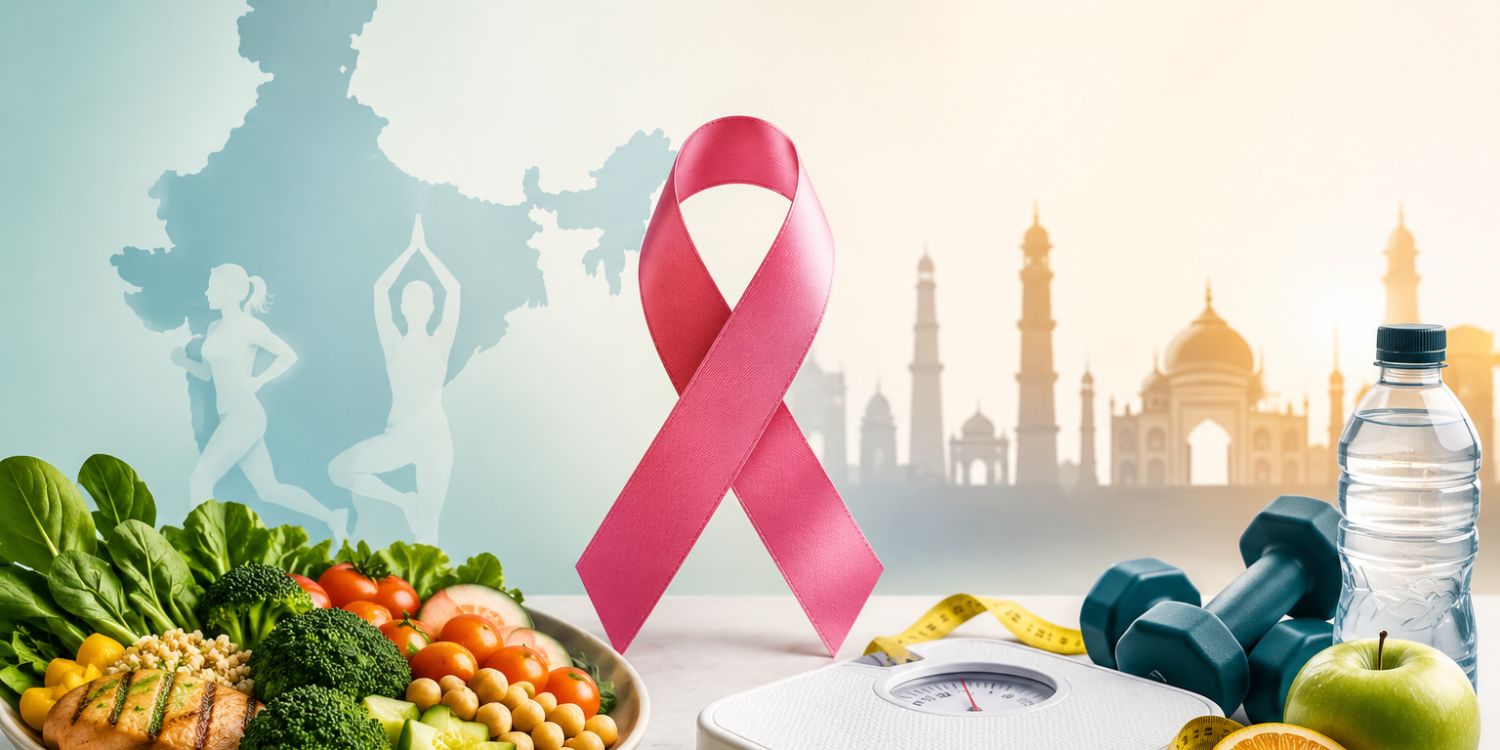
Cancer is not only a genetic disease. A meaningful share of it is shaped by daily habits. Researchers estimate that as much as 40% of cancer cases can be traced to lifestyle factors such as smoking, alcohol use, poor diet, and physical inactivity. As Indian diets and daily routines shift, doctors are watching that share grow.
The Rise of Ultra-Processed Food
Packaged snacks, sugary drinks, and reconstituted meats now make up a growing part of the average diet, in India and globally. These foods are convenient, affordable, and shelf-stable, which is exactly why their consumption has climbed. A large review found that a 10% increase in ultra-processed food intake was linked to a 13% higher risk of cancer overall, and an 11% higher risk of breast cancer specifically. High intake was also tied to a 30% higher risk of colorectal cancer and a 49% higher risk of pancreatic cancer.
The mechanism is not fully settled, but the pattern is consistent. Diets high in ultra-processed food tend to be high in sugar, salt, and unhealthy fats, and low in fibre. That combination drives weight gain, and weight gain itself is a well-established cancer risk factor, independent of what specifically is being eaten.
Obesity’s Growing Footprint
Obesity is now linked to at least nine cancer types, including cancers of the colon, rectum, liver, pancreas, kidney, stomach, and postmenopausal breast cancer. As obesity rates climb in India, doctors are watching related cancers rise alongside them. Colorectal cancer is a clear example. It is already India’s fourth most common cancer, with close to 65,000 cases and over 38,000 deaths recorded in 2022. Unlike Western countries, where colorectal cancer incidence is falling, several parts of India are seeing it rise, especially in urban areas.
Doctors point to globalization of diet as part of the reason. As Indian cities adopt more Western eating patterns, colorectal cancer is showing up more often in younger patients, a trend also tied to obesity and genetic factors in people under 50.
Breast Cancer and the Younger Patient
Breast cancer is already India’s most diagnosed cancer, and the numbers are not settling. India recorded over 192,000 cases and nearly 98,000 deaths in 2022, and projections point to a rise of more than 170% in incidence by 2050. What worries oncologists most is who is being diagnosed. Incidence and mortality among women under 30 are notably high in India. Obesity, diabetes, and lifestyle change are cited alongside pollution and infection as contributing factors, and triple-negative breast cancer, a more aggressive subtype, is reported at some of the highest rates in the world in Indian patients.
A Preventable Slice of the Problem
None of this means diet alone explains India’s cancer burden. Genetics, screening gaps, and late diagnosis all play a role too. But doctors keep returning to the same point. Diet and weight are two of the few cancer risk factors a person can actually act on. Cutting back on ultra-processed food, watching body weight, and staying physically active will not eliminate cancer risk. But the evidence suggests it meaningfully lowers it, at a scale few other interventions can match.