
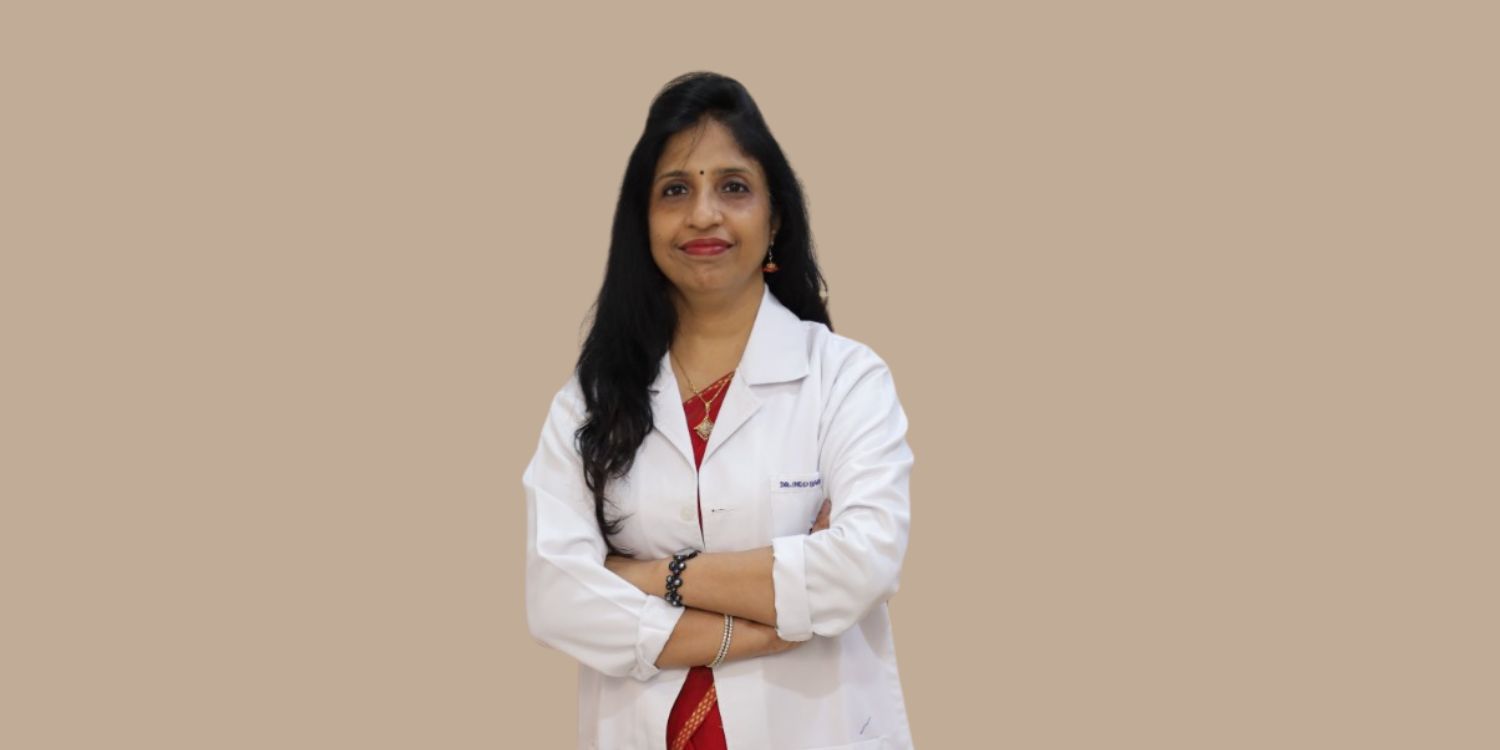
Cancer is not merely an illness it is a reckoning, one that alters the rhythm of life, bringing with it uncertainty, fear, and an unfiltered confrontation with mortality. In this moment, a doctor becomes far more than a clinician, a custodian of that belief.
Guided by her father’s foresight and driven by an unwavering sense of purpose, Dr. Indu Bansal Aggarwal entered oncology with quiet conviction. Over three decades, she has transcended the role of a practitioner to become a force in shaping the field itself, ensuring that the patient remains, unequivocally, her paramount interest.
Oncology Without Precedent
When oncology remained a demanding and relatively underdeveloped discipline in India, Dr. Indu Bansal Aggarwal, saw an opportunity. Her medical training began once she completed MBBS in 1994–95, followed by specialisation in radiation oncology at Pandit Bhagwat Dayal Sharma Post Graduate Institute of Medical Sciences, Rohtak. An early stint at Rajiv Gandhi Cancer Institute, Delhi, provided exposure to a more structured oncology setup. At the time, Gurgaon had no organised oncology services. Rather than seeking another institutional position, Dr. Aggarwal initiated an independent practice, effectively entering a clinical vacuum.
By 2006, this groundwork translated into a more formal institutional presence with the establishment of an oncology department at Paras Hospital.
Concurrently, Dr. Aggarwal sustained her engagement with radiation oncology, including an extended tenure at Batra Hospital that began without remuneration. Over time, these early commitments evolved into formal consultant roles at institutions such as Artemis and Max Specialty Hospital. She subsequently established the Department of Radiation Oncology at Narayana Hospital, Gurgaon, where she served as Director and Head. Her career progression within the Paras Group reflected a steady expansion of leadership responsibilities, advancing from Unit Head to Department Head, and ultimately to Group Director of Radiation Oncology.
Art of Oncology Beyond Metropolitan
Parallel to her clinical trajectory, Dr. Aggarwal pursued formal training in hospital administration. An MBA in Hospital Administration in 2004 was followed by a second MBA from IIM Bangalore in 2024. Her role in establishing and managing the Aggarwal Centre for Diabetes and Cancer Care since 2002 offered a complementary perspective. As a 10-bed facility, it operates outside the scale of large corporate hospitals, yet addresses a critical segment of patient care, those requiring continuity, affordability, and a more personalised clinical interface.
When Dr. Aggarwal started out, the diagnosis of the spectrum of cancer was narrow. Three decades later, the landscape has shifted significantly. Technology took over and methods like Linear accelerators, IMRT, IGRT, and stereotactic techniques are now part of standard practice in many centres. The expansion of private healthcare has improved access, while government schemes have made treatment financially viable for a broader population. Importantly, oncology services are no longer confined to metropolitan hubs; Tier 2 and Tier 3 cities are increasingly equipped to deliver complex care.
Oncology, with Perspective
Across these transitions, a consistent thread in Dr. Aggarwal’s practice has been a measured and methodical clinical approach. Patient interaction, in her framework, begins with listening. Consultations are structured to include clear, unambiguous discussions on expected outcomes, therapeutic limitations, and the financial implications of care.
During our conversation, Dr. Aggarwal articulated her perspective: “One thing that I believe is important is to let patients live their life, even with cancer. They need to know that life remains worth cherishing. It can improve, and they must continue to live fully, keep ticking off their bucket list, keep dreaming, because technological advancements are progressing to the extent that each year brings new therapeutic options.”
Over the course of her career, radiation oncology itself has undergone marked technological refinement. This trajectory is now being extended through the integration of artificial intelligence in treatment planning and the emergence of adaptive radiotherapy, both of which are poised to further recalibrate clinical practice. Within this evolving landscape, Dr. Aggarwal’s approach, anchored in clarity, restraint, and continuity, aligns closely with the discipline’s broader movement toward precision and personalisation.