
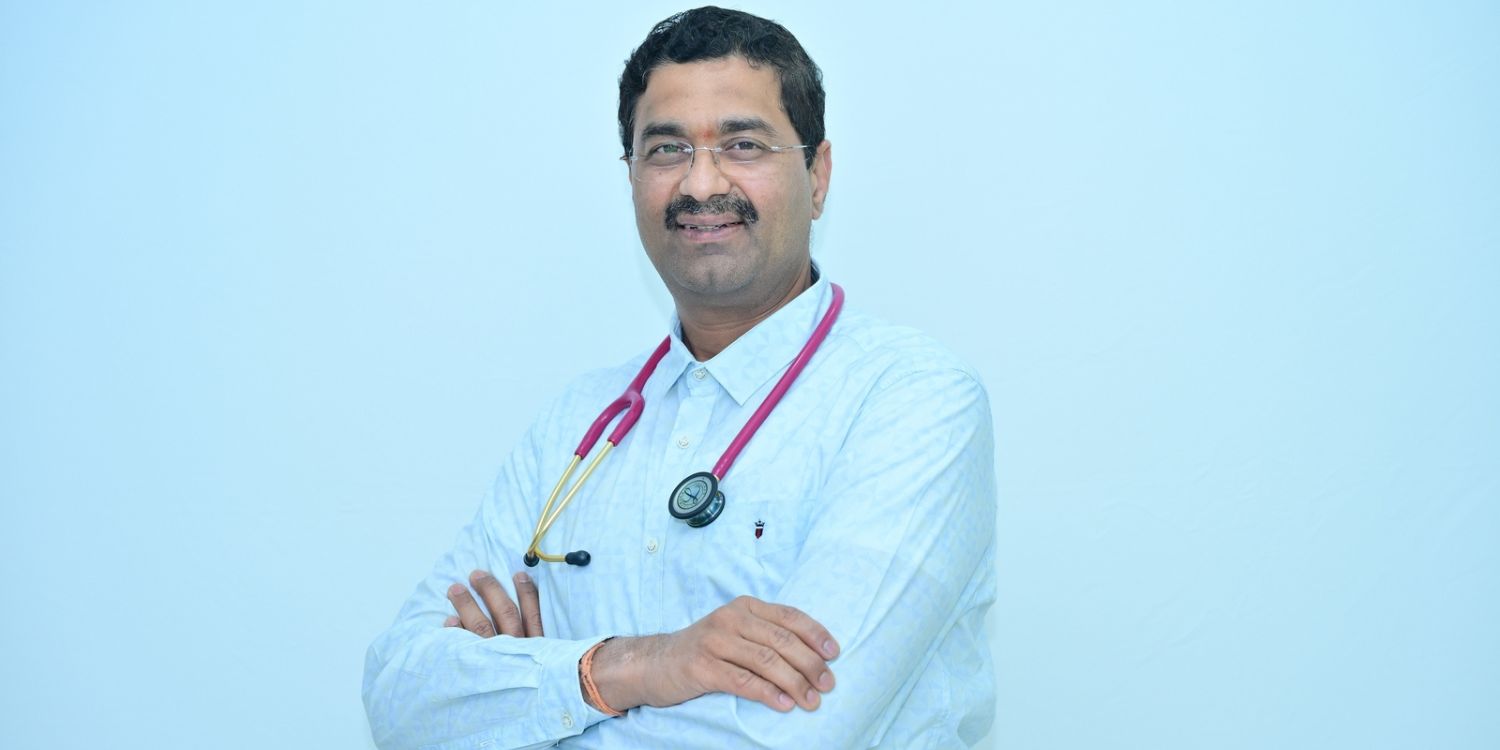
India’s tier 2 cities often face a lack of advanced healthcare opportunities. Owing to limited facilities and a shortage of specialised practitioners, both diagnosis and timely treatment become pressing concerns. In fields such as cardiology, where time directly translates to survival, every passing minute can determine the difference between life and death.
In such a scenario, Dr. Rajagopal Jambunathan provides the necessary space and efficiency, making advanced medical expertise both feasible and accessible for those who cannot afford to pay exorbitant prices.
The Making of a Cardiologist
Based in Mysore, Dr. Rajagopal Jambunathan found his calling towards cardiology back to his high school years shaped due to repeated exposure to cardiac emergencies in his own circle. When cardiac care in India was still evolving, he witnessed both the limitations and the emerging possibilities of treatment.
Building Clinical Depth
Dr. Jambunathan completed his undergraduate medical education in Mysore, followed by an MD in Internal Medicine. To advance further, he decided to sub – specialise with DM in Cardiology, worked under senior interventional cardiologists and received professional training at established institutions in Hyderabad.
Advancing into High-Risk Care
During his early years in interventional cardiology, Dr. Jambunathan observed that while routine coronary interventions were widely performed, complex cases were often deferred to surgical management. He decided to shift his practice towards handling high-risk and technically demanding procedures. He pursued additional exposure through short-term fellowships in international centres, including Italy and South Korea, to refine skills in advanced coronary techniques. Over time, he developed his expertise in left main interventions, chronic total occlusions, and structural heart procedures.
Building Advanced Care Beyond Metros
Post his academic ventures, Dr. Jambunathan decided to return to Mysore and build his practice in a tier-2 setting regardless of his potential opportunities in the metro cities. This decision faced a lot of logistical and infrastructural challenges. Access to specialised equipment was limited, often requiring procurement from larger cities with significant delays.
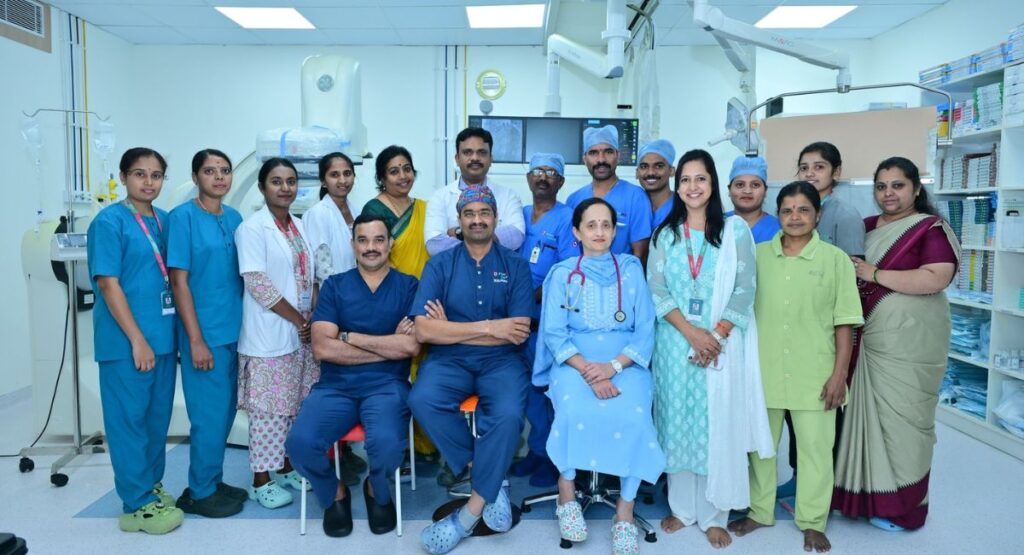
To tackle these hurdles, he decided to increase procedural volumes and engage with hospital administration to invest in advanced infrastructure. As case complexity increased, suppliers and institutions became more willing to support the required ecosystem. In parallel, he focused on extending these capabilities beyond a single institution. Through proctorships and training initiatives, he worked with cardiologists in nearby centres, including government hospitals, to build local expertise.
Dr. Jambunathan deals with the complications of interventional cardiology by focusing more on clinical evaluation over isolated reliance on imaging or diagnostic reports. He believes in the utmost importance of direct patient interaction, symptom correlation, and risk assessment before procedural planning.
Clinical Judgement in an AI-Enabled Era
Considering the technological revolution generations have gradually gone through, Dr. Jambunatan acknowledges the role of emerging technologies, particularly artificial intelligence, in improving diagnostic accuracy and procedural planning. Automated imaging analysis and simulation tools have reduced variability in pre-procedural assessment. However, he places his utmost trust in his judgement.
Regardless of the technological indifference, a persistent challenge in practice continues to be financial accessibility, although government-backed health schemes have improved coverage for several cardiac procedures, cost remains a limiting factor in certain advanced interventions.
Beyond the Myth of Cure
Being in this field prominently for so long, In patient management, he identifies recurring misconceptions, particularly the belief that procedures such as angioplasty or bypass surgery constitute a permanent cure. He also notes that absence of traditional risk factors does not eliminate the possibility of disease, with a significant proportion remaining unpredictable.