
Cardiovascular diseases (CVD) have firmly established themselves as the leading cause of death and disability in India, creating a healthcare challenge of unprecedented scale. The CVD epidemic among Indians is uniquely devastating, characterized by a higher relative risk burden, an earlier age of onset, higher case fatality, and a tragic frequency of premature deaths.
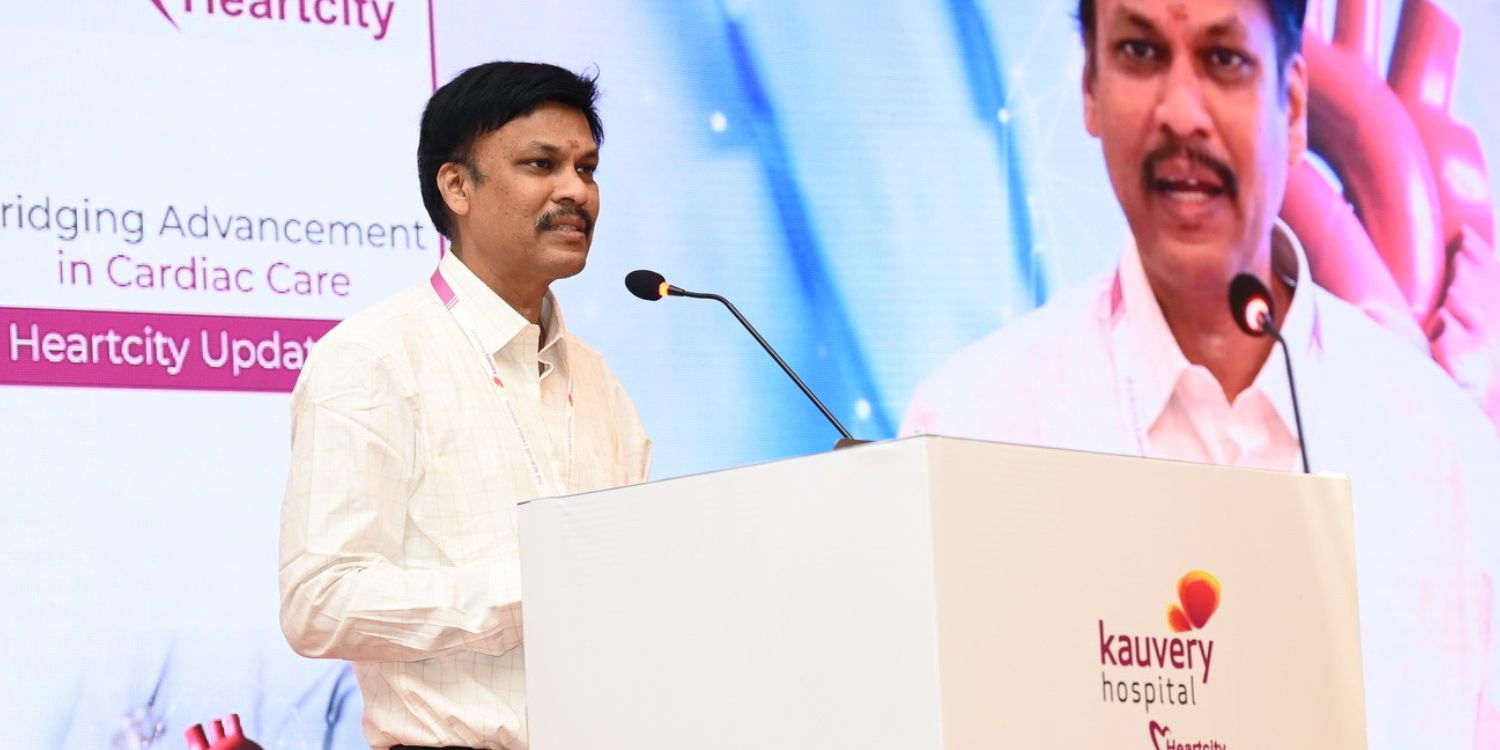
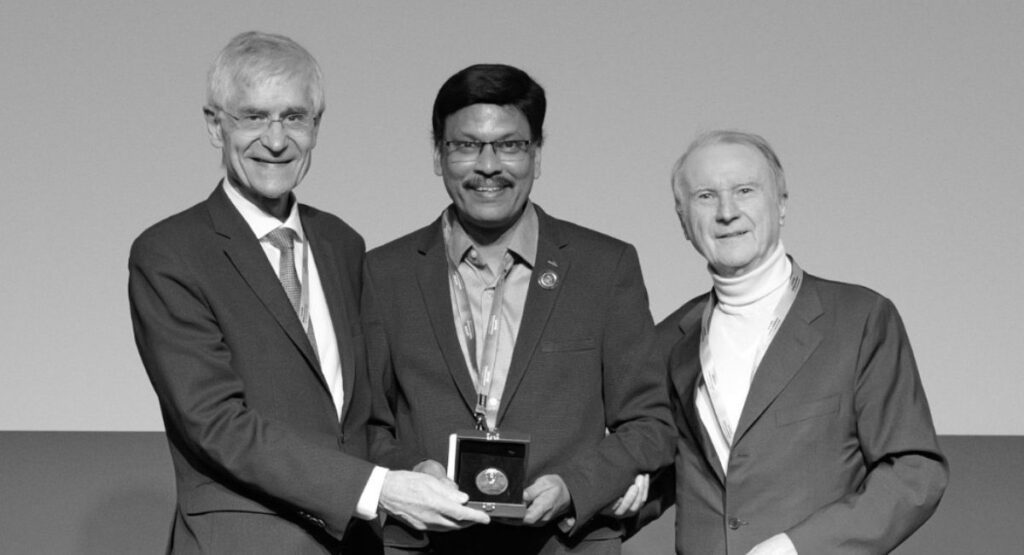
Faced with this aggressive timeline, where heart attacks routinely strike individuals in their prime, spreading proactive lifestyle awareness is only half the battle. The utmost frontline defense rests upon visionary cardiologists who possess the technical mastery to innovate and the commitment to anchor critical healthcare infrastructure. It is precisely for this reason we are proud to feature Dr. S. Aravinda Kumar among India’s Most Renowned Cardiologists 2026. As a true pioneer leading the charge at Kauvery Hospital, Trichy, as the Lead Consultant & Chief of Heart Failure Services, Dr. Aravinda Kumar embodies the exact blend of clinical excellence, committed endurance, and life-saving urgency required to rewrite the narrative of cardiac care in modern India.
A Foundation of Excellence
Dr. S. Aravinda Kumar’s journey into medicine began in the competitive academic environment of Neyveli, Tamil Nadu, where he attended the prominent Jawahar School while his father served at the Neyveli Lignite Corporation. The institution acted as a robust launchpad for aspiring professionals, drawing a parallel to modern-day Kota in Rajasthan, where the annual influx of seniors securing seats in elite technical and medical courses ignited his own career ambitions. Choosing healthcare allowed him to chart a distinct path, making him the groundbreaker in a family predominantly composed of engineers.
Navigating the academic landscape over three decades ago, he faced a system evaluated on senior secondary marks and a rigorous state-level entrance exam. Dr. Aravinda Kumar excelled by claiming the top rank with an exceptional entrance score of 49.2 out of 50. His subsequent journey through medical school was defined by a balanced lifestyle, and as a dedicated athlete, he leveraged the physical endurance and mental stamina gained from sports to anchor his long hours of study. After graduating with distinction and completing his MD in General Medicine, he advanced his specialization by pursuing a DNB in Cardiology at the highly prestigious Amrita Medical University in Cochin.
A Regional Lifeline
Equipped with advanced specialization, Dr. Aravinda Kumar stepped into the healthcare landscape of Trichy, marking the beginning of a transformative 18-year tenure at Kauvery Hospital. When he first established the cardiology department, the central Cauvery delta region surrounding Trichy and its neighboring areas was bound to a traditional medical routine. Critical conditions like acute heart attacks were managed strictly through conservative medication, as localized interventional capabilities were entirely non-existent. Patients experiencing acute chest pain were being stabilized only to endure long, high-risk transits to distant centers in Madurai or Chennai for vital angiograms and angioplasties.
Overcoming this required a gradual and continuous effort, as Dr. Aravinda worked tirelessly to shift the mindset of both the local community and referring physicians toward the safety and efficacy of timely interventions. Backed by the steady support of senior medical practitioners in the region, his clinical work triggered a massive evolution in local healthcare infrastructure. Notably, Dr. Aravinda Kumar holds the distinction of being the first to introduce practically every advanced interventional cardiology procedure to the delta district. His historic regional firsts span primary, multi-vessel, left main, and bifurcation angioplasties, alongside cutting-edge techniques such as rotational and orbital atherectomy, high-resolution imaging (OCT and IVUS), and complex, left ventricular assist device-supported procedures.
Today, that foundational department at Kauvery Hospital has matured into a massive, 135-bed dedicated cardiac facility. Under his visionary leadership, the center registers some of the highest procedural volumes in the nation, with the institution conducting 150 to 200 angioplasties monthly, while Dr. Aravinda Kumar personally executes 80 to 90 of these intricate procedures each month.
Anchored in Discipline
When asked about the daily rhythm of managing one of the region’s busiest cardiac departments, Dr. Aravinda Kumar reveals a schedule anchored in discipline and absolute availability. His day begins precisely at 8:00 AM, a strict habit he has maintained since his medical school days. The early morning hours are dedicated entirely to extensive inpatient rounds, with immense focus on communication. He prioritizes meeting with the anxious families of patients admitted overnight to brief them on clinical progress. “My day always starts with the families,” Dr. Aravinda Kumar notes. “Clear communication gives them immense peace of mind, which is a vital part of the healing process.”
By mid-morning, around 9:30 or 10:00 AM, he transitions directly into the cardiac catheterization lab. This intense window often stretches until 2:00 or 3:00 PM, depending on the volume of routine interventions and highly complex angioplasties requiring his expertise. Following a swift lunch break, he dedicates the next three to four hours to the Outpatient Department (OPD), balancing diagnostic consultations with deep patient counseling. As evening approaches at 7:00 PM, he conducts a final round to monitor post-operative stability and align night plans with the duty doctors and postgraduates. Though he routinely exits the facility around 9:00 PM, he emphasizes that a cardiologist’s duty never truly pauses. “Cardiology is inherently a 24/7 commitment,” he shares. “Rushing back to the cath lab at 2:00 AM to rescue someone from the brink of death is incredibly demanding, but seeing the smile on a recovered patient’s face makes every sleepless hour deeply fulfilling.”
Confronting India’s Premature Cardiac Crisis
When questioned about the physiological vulnerabilities of South Asians and the shifting patient profiles in modern healthcare, Dr. Aravinda Kumar dispels a long-standing medical myth. He clarifies that modern cardiac imaging reveals a completely different reality, that for a given height and weight, the arterial size of Indian patients is remarkably similar to their Western counterparts. “The illusion of smaller vessels actually stems from a highly aggressive, uniform, and diffuse deposition of cholesterol throughout the entire artery,” he explains.
While CVDs traditionally manifest in Western populations during their sixth, seventh, or eighth decades of life, India is witnessing a very early onset. This premature crisis predominantly impacts the primary breadwinners of families, dealing devastating economic and emotional blows to households. Compounding this situation, Dr. Aravinda believes, is a lack of awareness that frequently leads young patients to mistake critical cardiac distress for minor gastric discomfort, a fatal miscalculation that dangerously delays life-saving treatment.
To counter this crisis, Dr. Aravinda Kumar advocates for a drastic shift in preventive screening, urging families to act long before symptoms ever appear. “In India, the timeline for vigilance must change; guidelines now recommend initiating lipid profile screenings at just 18 years of age,” he emphasizes. He advises that the milestone of entering college should double as a baseline for standard health checks, including comprehensive lipid profiles and blood glucose evaluations. If the initial metrics align with normal parameters, a re-evaluation every five years suffices. However, should early red flags emerge, the screening frequency must tighten to every one to three years, anchored heavily by aggressive lifestyle and dietary modifications. With childhood obesity growing as an explosive epidemic projected to peak by 2035, the chances for early-onset diabetes, hypertension, and subsequent coronary disease are expanding rapidly.
All in all, Dr. Aravinda Kumar’s message remains absolute – early screening is no longer just an option, it is the ultimate lifeline.