
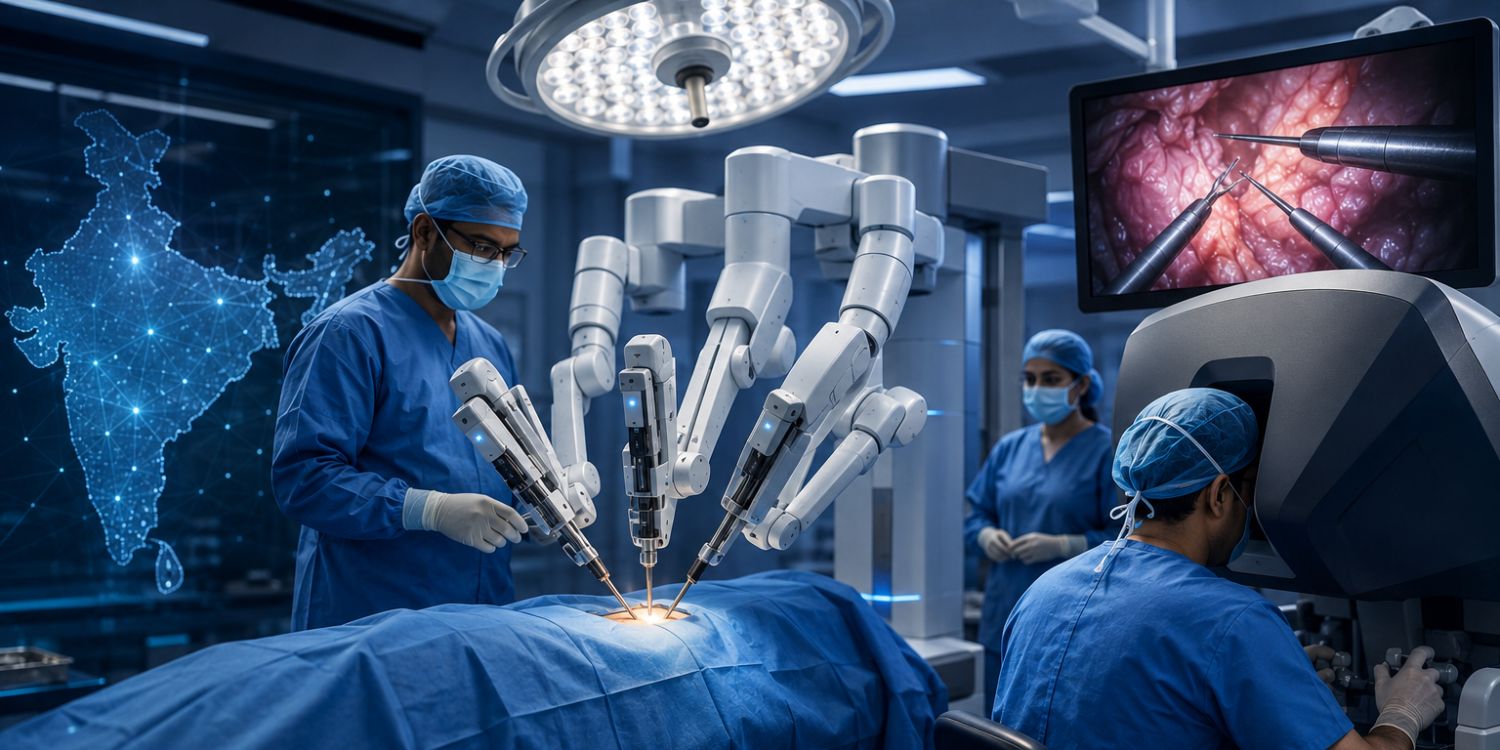
Not long ago, robotic-assisted joint replacement in India was a novelty, a handful of premier hospitals in Delhi and Mumbai advertising it as a cutting-edge option for patients who could afford the premium. In 2026, that novelty has become something closer to standard practice, with hospitals across the country reporting rapid, sustained growth in adoption.
From rare to routine
The numbers tell the story. Hospital chains that once performed a handful of robotic procedures a year are now crossing a thousand robotic joint replacements within months, spanning total knee, partial knee, and hip replacements. What was once confined to metro flagship hospitals is steadily spreading to tier-two cities, as more surgeons train on robotic platforms and more patients specifically seek out the technology by name.
Why the shift is happening
Part of the appeal is precision. Robotic systems assist surgeons in making more accurate bone cuts and implant positioning, which translates into better alignment and, often, smoother long-term joint function. But just as significant is a change in patient behaviour. Where earlier generations tolerated years of joint pain rather than face surgery, today’s patients, better informed, less willing to compromise on quality of life, are researching options themselves and asking directly for robotic-assisted procedures before they’ve even met a surgeon.
The barriers that remain
Cost remains the biggest obstacle to wider adoption. Robotic systems carry steep installation and maintenance costs, and the vast majority of Indian orthopaedic surgeons surveyed identify this as the primary hurdle to bringing the technology into more hospitals. Insurance coverage for robotic procedures also lags behind countries like China, where certain robotic platforms are covered under public health insurance, a gap that keeps robotic surgery financially out of reach for many Indian patients despite growing demand.
What’s changing that equation
Indigenous innovation may be the answer to India’s cost problem. Homegrown robotic platforms, developed specifically to reduce installation and maintenance expenses, are emerging as a way to bring the technology’s benefits to a wider patient base without the price tag of imported systems. As these alternatives mature, and as usage-based pricing models gain traction, robotic joint replacement may shift from a premium option to a genuinely accessible standard of care. The robot in the operating theatre isn’t a gimmick anymore. It’s fast becoming the new normal.