
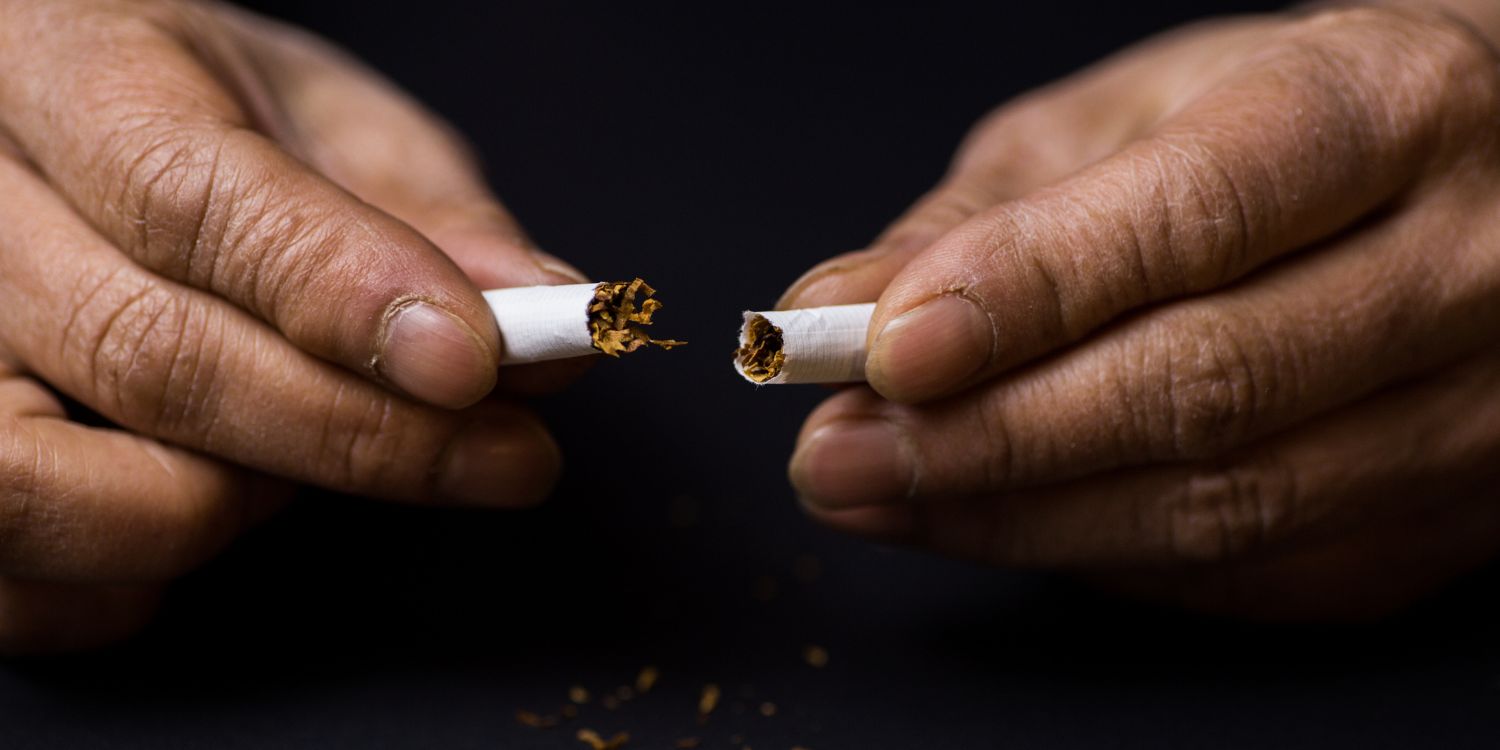
India carries the largest share of the world’s oral cancer cases. In 2022, of roughly 120,200 global cases, about 83,400 were in India. That is more than two thirds of the global total, in one country. The reason is not complicated. It is tobacco, and mostly the smokeless kind.
A Habit Built Into Daily Life
Products like gutkha, khaini, and zarda are cheap, easy to find, and socially accepted across income groups. Paan with areca nut adds to the risk. These products are not a niche habit. They are woven into daily routines in both rural and urban India. Chewing tobacco alone contains at least 28 known cancer-causing chemicals. Combined with alcohol, tobacco use accounts for more than 80% of the attributable risk for oral cancer.
The numbers have moved in one direction for years. Oral cancer incidence in India has risen 68% over the past two decades. It is now the most common cancer among Indian men. Projections suggest a further 26% rise by 2030. South Asia already carries the heaviest burden of lip and oral cavity cancer among young people in Asia, and India reports the highest number of cases, deaths, and years of healthy life lost in the region.
Caught Late, Treated Hard
Screening remains rare. Government survey data shows that less than 1% of India’s population was screened for oral cancer between 2019 and 2021. National cancer registry data shows nearly two thirds of oral cancer patients in India are diagnosed at an advanced stage. At that point, treatment is harder, more expensive, and less likely to succeed. Some patients reach a stage where only palliative care is possible.
The cost is not only medical. India spent an estimated 322 million dollars on oral cancer treatment in 2020 alone. Projections put the ten-year economic burden at around 3.2 billion dollars.
Doctors Keep Repeating the Same Message
At an awareness event in Ranchi earlier this year, Dr. Sachender Pal Singh, a surgical oncologist specializing in head and neck cancers, urged people not to postpone quitting. He said there is no safe form or amount of tobacco, and the right time to quit is now. He also pointed to something simple and often overlooked. The body begins responding within 20 minutes of quitting, and the long-term risks of heart disease, lung disease, and cancer fall steadily after that.
A newer concern is age. Doctors report rising tobacco use among younger people, which is starting to show up in earlier oral cancer diagnoses. This mirrors a broader regional pattern. Chewing tobacco is now a leading driver of early-onset oral cancer among young adults across South Asia.
What Actually Moves the Needle
Public health researchers point to a narrow set of levers: stronger enforcement of existing tobacco laws, wider screening programs, and sustained public awareness campaigns. Some have even proposed using celebrity influence to counter the surrogate marketing that keeps smokeless tobacco culturally normalized. None of this is new thinking. What has been missing is consistent follow-through.
The core message from oncologists has not changed in years, and it has not needed to. Oral cancer in India is, overwhelmingly, a preventable disease. The tools to reduce it exist. So does the tobacco habit that keeps undoing them.