
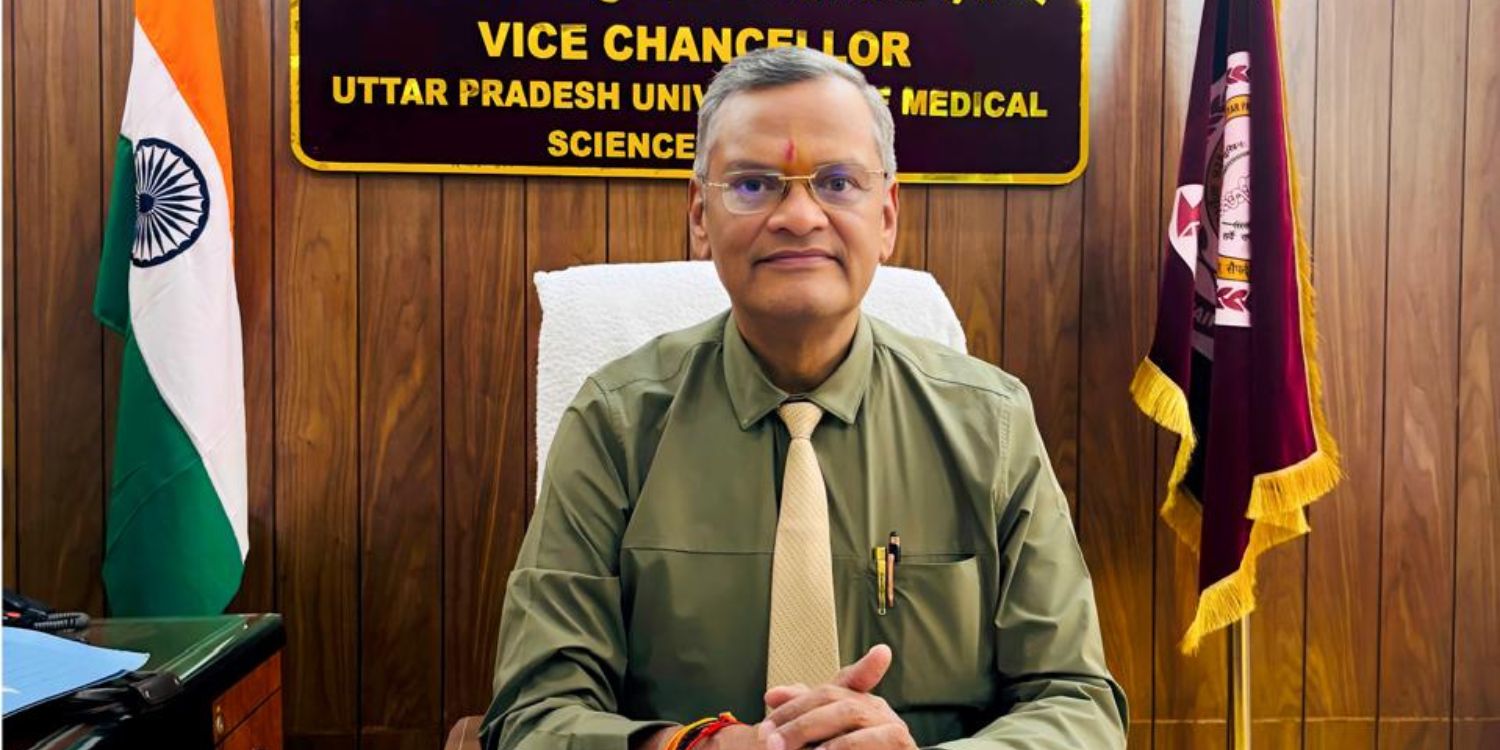
“When something does not sit right with you, you need to be the change you wish to see.” It is through such conviction that long-standing assumptions are questioned and meaningful shifts are set in motion.
In orthopaedics, one such shift was led by Dr. Ajai Singh, who advanced paediatric orthopaedics as a distinct and necessary subspecialty, addressing critical gaps in clinical training and ensuring that the unique needs of growing children are not overlooked. We feature him amongst many such personalities who have contributed to this field rigorously and meticulously.
Correcting the Gap
Witnessing it firsthand, during his residency in orthopaedics, Prof. Ajai Singh noticed that paediatric orthopaedics is not taken as seriously as it should be and he identified a clear gap in training. Exposure to critical paediatric conditions, particularly cerebral palsy and congenital anomalies, remained limited despite their clinical prevalence. He observed that children constituted nearly 30% of orthopaedic outpatient and trauma cases, yet resident training remained largely confined to just basic understanding. This mismatch between clinical demand and academic preparedness shaped his decision to pursue the subspecialty. Keeping this difference in his vision, he proceeded to train at established national and international institutions to build focused expertise.
Institutionalising a Subspecialty
Following his training, Prof. Singh engaged with regulatory bodies to address the structural absence of paediatric orthopaedics within formal medical education. He approached the Medical Council of India (now the National Medical Commission) with a proposal to recognise paediatric orthopaedics as a superspecialty within orthopaedics and to introduce a dedicated MCh programme.
His efforts paid off through a formal approval, followed by the establishment of the first Department of Paediatric Orthopaedics at King George’s Medical University (KGMU), Lucknow, sanctioned by the Government of Uttar Pradesh.
Rethinking Orthopaedic Decision-Making
Prof. Singh clearly established the boundaries between clinical management in paediatric orthopaedics from adult orthopaedics, primarily the presence of growth potential. Prof. Singh takes on his cases based on evidence, with emphasis on residual growth and the biological capacity for correction over time.
Treatment strategies are therefore not solely directed at immediate anatomical correction but also at long-term functional outcomes influenced by skeletal growth
The Cost of Late Detection
Prof. Singh highlighted that one of the recurring clinical challenges in India is the delayed diagnosis of developmental dysplasia of the hip (DDH). In many settings, prenatal and immediate postnatal screening remains inconsistent due to high patient load in labour rooms and limited awareness among clinicians.
As a result, a significant number of cases present only after the child begins walking. At this stage, management often shifts towards surgical intervention, sometimes requiring procedures such as femoral shortening, with comparatively less favourable outcomes.
Furthermore, the presence of growth plates introduces additional complexity in paediatric orthopaedics. Injuries, infections, or tumours involving these regions can result in long-term complications such as angular deformities and limb length discrepancies.
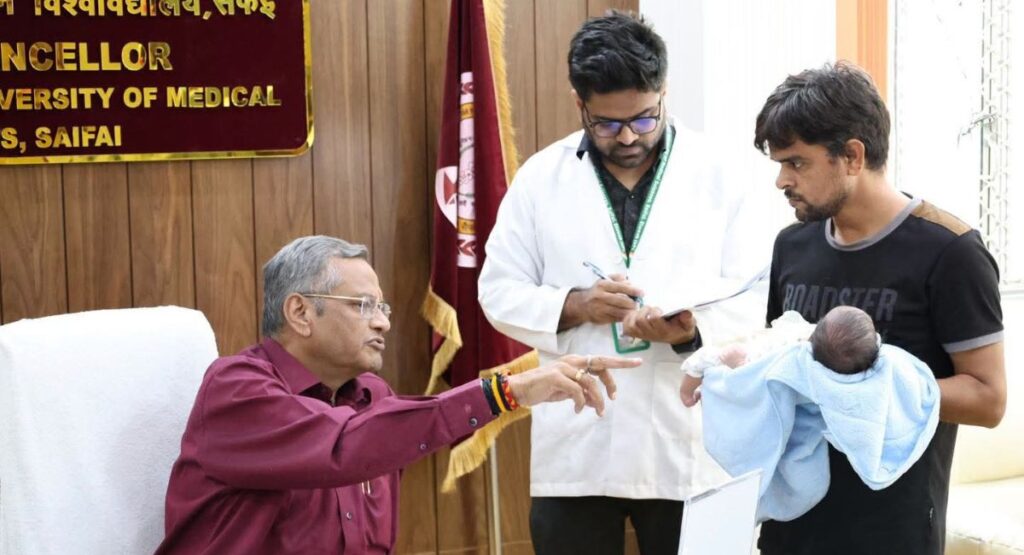
Prof. Singh focuses on managing such cases through careful planning and adherence to protocols. He states that, “the focus remains on preventing disruption to growth rather than addressing consequences after they occur.”
Intervening Before Complications
When Prof. Singh deals with cases of cerebral palsy, he points out that initial patient contact typically occurs with paediatricians, leading to delayed orthopaedic referral. Children are often presented to orthopaedic services only after functional limitations, such as poor head control or difficulty in ambulation, become apparent. He strongly urges orthopaedic intervention to improve mobility and prevent secondary complications such as contractures.
Managing Expectations in Paediatric Care
While dealing with children, parents tend to hit the paranoia stage pretty quickly, however, Prof. Singh maintains a consistent approach to patient and parent communication. Discussions include not only treatment plans but also realistic expectations regarding prognosis, potential failure, and recurrence. When doctors give such clarity before initiating any intervention, dealing with many paediatric orthopaedic conditions becomes rather easy.
From Innovation to Implementation
Prof. Singh has watched Paediatric orthopaedics evolve from ground zero to include advancements such as artificial intelligence and 3D printing influence paediatric orthopaedic practice, particularly in diagnostics and surgical planning. These tools offer improved precision, which may translate into better clinical outcomes.
However, Prof. Singh emphasizes on the fact that their integration remains limited by gaps in awareness and training. Addressing these limitations requires structured inclusion within medical curricula and targeted skill development programmes. Prof. Singh continues to advocate for curriculum revision at the regulatory level and expansion of dedicated training pathways to strengthen the workforce in paediatric orthopaedics.