
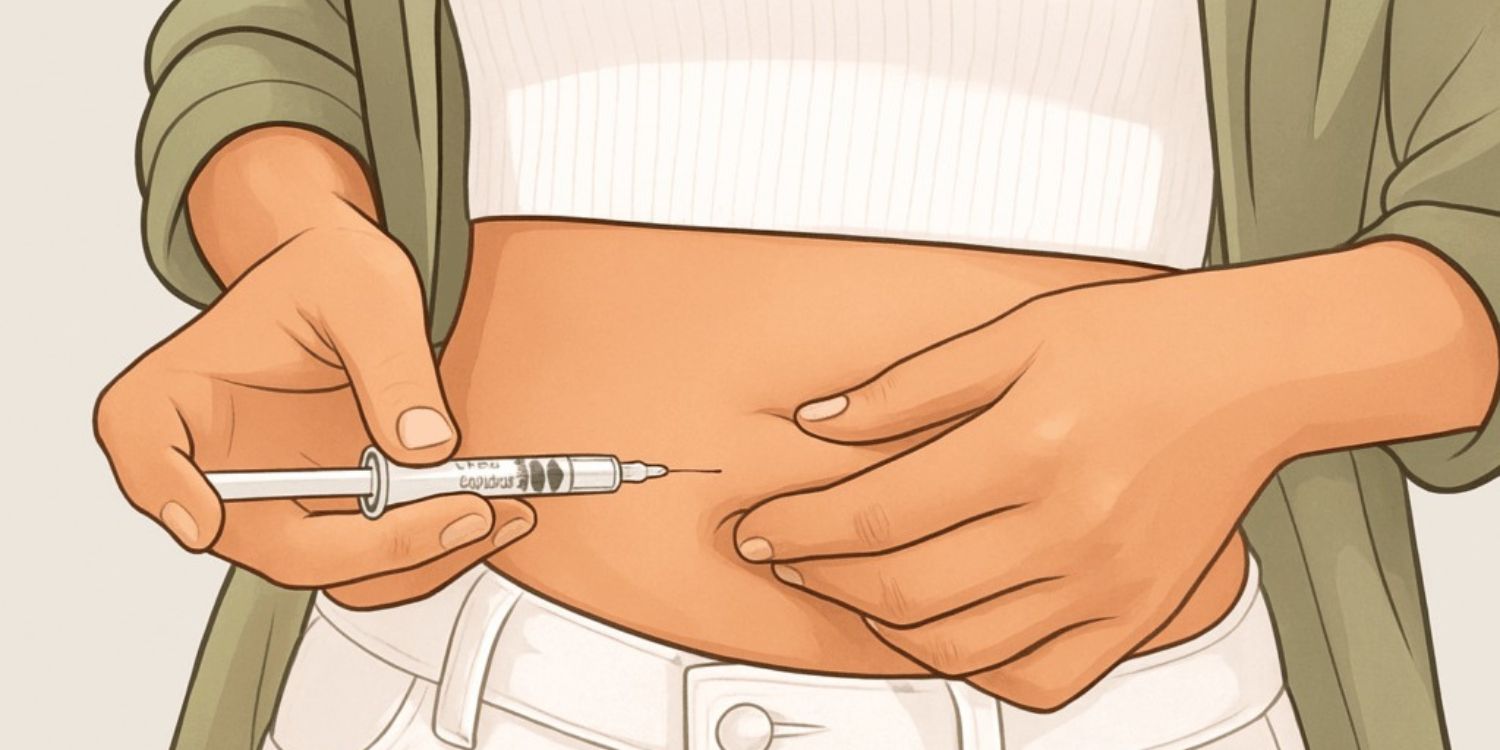
In March 2026, the patent on semaglutide expired in India, and within days dozens of companies launched generic versions. Monthly costs fell from more than ₹10,000 to as little as ₹1,290. Along with tirzepatide, these drugs, known as GLP-1 receptor agonists, are now within reach of millions of Indians living with diabetes or obesity.
For anaesthesiologists, this brings a new question to every pre-operative check-up. Is the patient taking one of these injections?
Why it matters
These drugs work partly by slowing the rate at which the stomach empties. That is why patients feel full for longer and eat less. But it also means food can remain in the stomach well beyond the usual six-hour fast before surgery.
Under general anaesthesia or deep sedation, the reflexes that normally protect the airway are switched off. If the stomach is not empty, its contents can come back up and, in rare cases, enter the lungs. This is called pulmonary aspiration, and it can cause serious pneumonia.
What the evidence shows
In January 2025, the UK’s medicines regulator, the MHRA, warned doctors about this risk following a review by the European Medicines Agency. In September 2026, a UK study of 47,039 surgical patients across 119 hospitals, published in the journal Anaesthesia, added fresh data. Among patients taking a GLP-1 drug, 1 in 71 had regurgitation or aspiration during their procedure, compared with 1 in 802 of those not taking one.
The study needs careful reading. Most of the events were regurgitation, and only two involved aspiration into the lungs. Patients on these drugs were also more likely to have obesity and diabetes, which carry their own risk. The authors stress that the finding shows an association, not proof that the drugs caused the events. Other studies have found more stomach contents in these patients without a clear rise in aspiration.
What patients should do
The most important step is simple. Tell your anaesthesiologist if you take any weight-loss or diabetes injection, even one bought without a prescription or stopped recently.
Do not stop the medicine on your own. Guidance issued in 2024 by the American Society of Anesthesiologists and four other societies says most patients can continue these drugs before planned surgery. For patients at higher risk, such as those starting treatment or having nausea, vomiting or bloating, it recommends a liquid-only diet for 24 hours before the procedure. Anaesthesiologists may also use a quick ultrasound scan to check whether the stomach is empty, and adjust the anaesthetic plan accordingly. In rare cases, surgery may be postponed.
The same care applies to endoscopies, colonoscopies and other procedures done under sedation.
Weight-loss injections are changing the health of many Indians for the better. A short conversation with the anaesthesiologist before any procedure keeps that benefit from turning into a risk.